
Why Community Theater Still Feels Special: Central Pennsylvania Theaters Continue to Build Connection Through the Arts
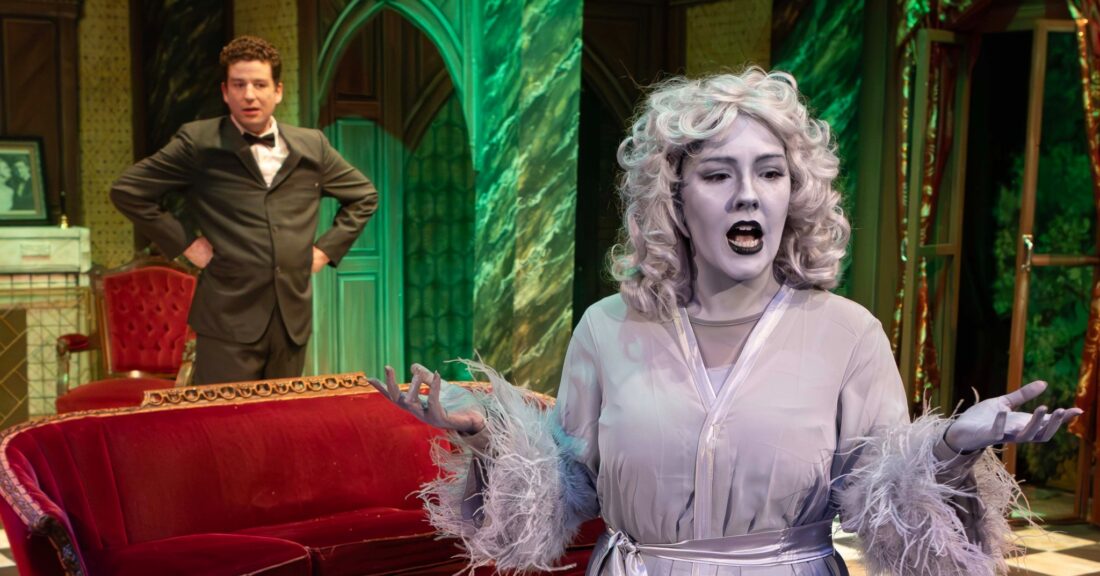
PHOTO PROVIDED A scene from Blithe Spirit at Community Theatre League
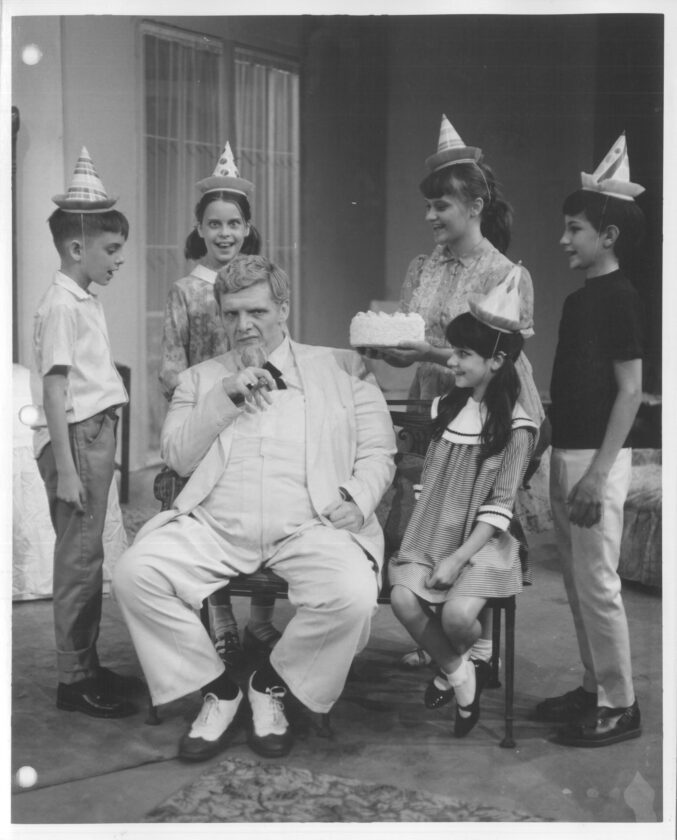
PHOTO PROVIDED Cat on a Hot Tin Roof at Millbrook Playhouse in 1968
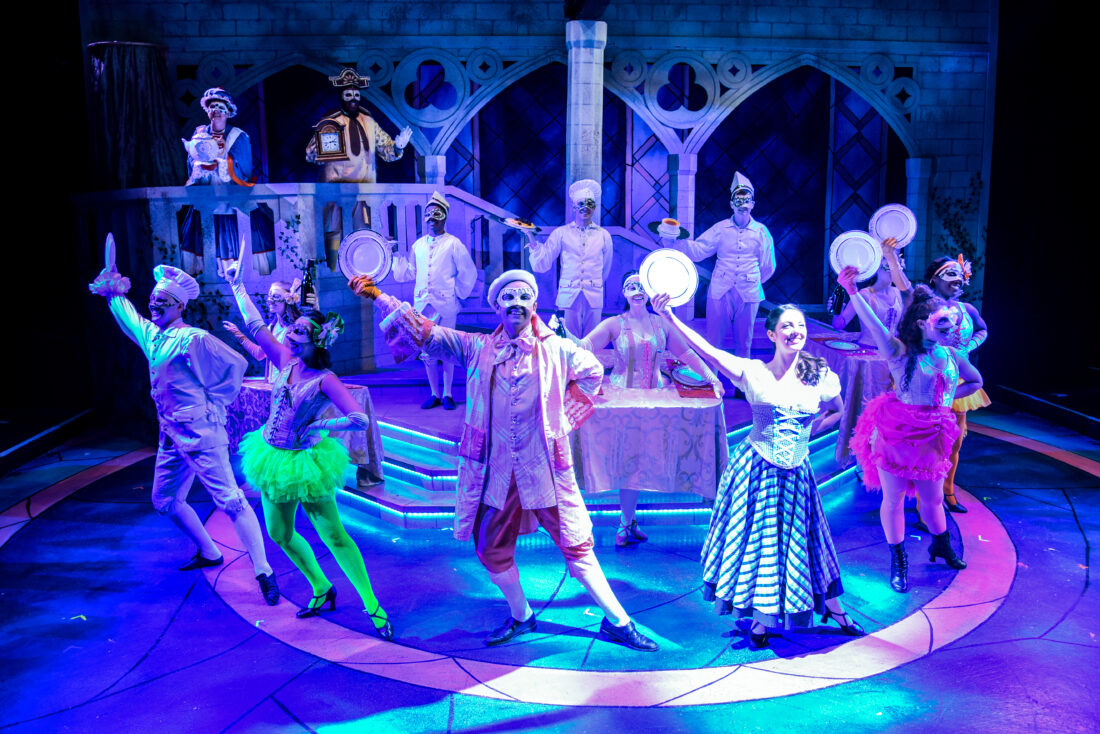
PHOTO PROVIDED A scene from Beauty and the Beast at Millbrook Playhouse
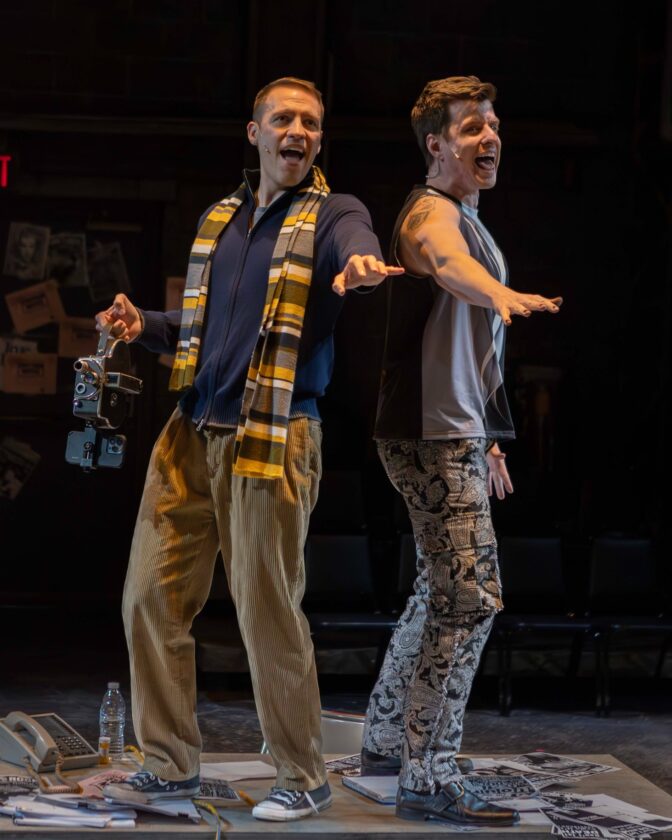
PHOTO PROVIDED A scene from Rent at Community Theatre League
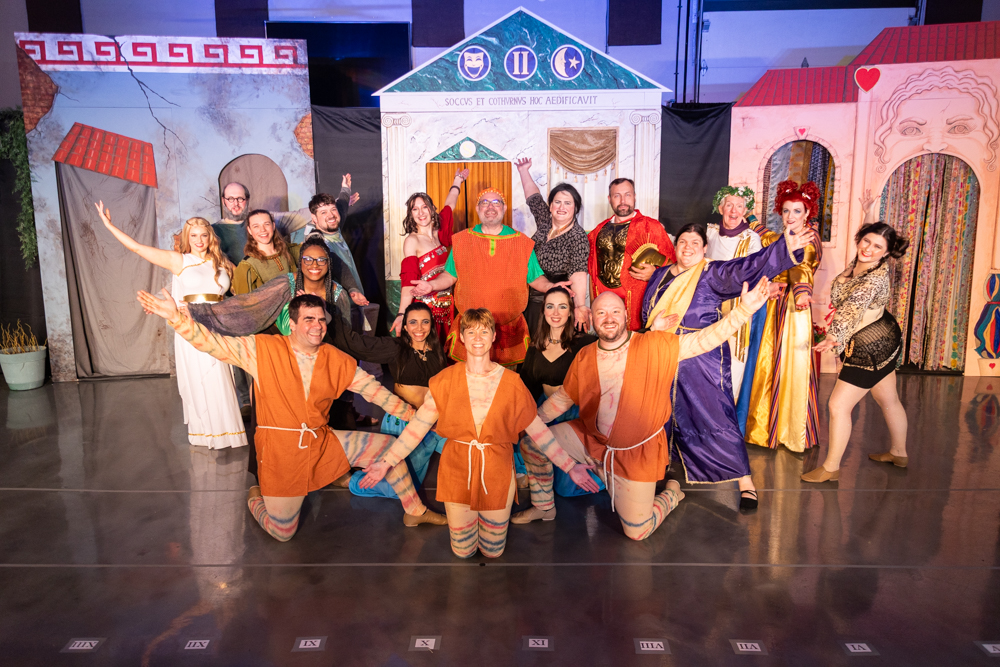
PHOTO PROVIDED A scene from A Funny Thing Happened on the Way to the Forum (credit Vern Horst)
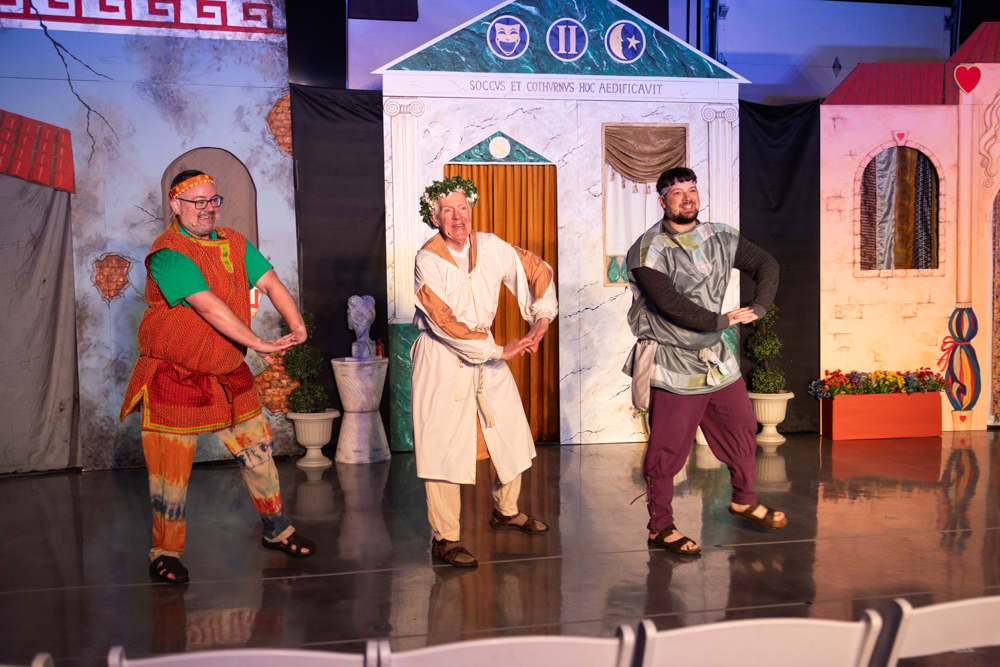
PHOTO PROVIDED A scene from A Funny Thing Happened on the Way to the Forum (credit Vern Horst)
PHOTO PROVIDED A scene from Blithe Spirit at Community Theatre League
PHOTO PROVIDED Cat on a Hot Tin Roof at Millbrook Playhouse in 1968
PHOTO PROVIDED A scene from Beauty and the Beast at Millbrook Playhouse
PHOTO PROVIDED A scene from Rent at Community Theatre League
PHOTO PROVIDED A scene from A Funny Thing Happened on the Way to the Forum (credit Vern Horst)
PHOTO PROVIDED A scene from A Funny Thing Happened on the Way to the Forum (credit Vern Horst)
Trending
In an age of streaming services, endless scrolling and entertainment available instantly on a phone screen, community theater continues to draw people into darkened auditoriums to laugh, cry and applaud together.
Across central Pennsylvania, organizations like Millbrook Playhouse, Community Theatre League and Sock & Buskin Theatre Company continue to thrive not because they can compete with Hollywood budgets, but because they offer something audiences cannot stream at home: connection.
"It feels like everywhere we look today, we are staring at screens and finding new ways to divide ourselves," said David Leidholdt, Millbrook Playhouse's producing artistic director. "But theatre demands something completely different from us; it asks us to sit together in the dark and share a real human experience."
For decades, community and regional theaters have served as gathering places where neighbors become castmates, volunteers become family and audiences share a live experience that exists only for one night. At Millbrook Playhouse in Mill Hall, that mission extends far beyond the stage.
"We love being here in Mill Hall, and we love the opportunity this theatre provides to bring people together," Leidholdt said. "Every summer, we get to mix seasoned professionals with incredible young talent from all over the country."
This season alone, Millbrook is welcoming artists from Kansas, North Carolina and South Carolina while also continuing to cultivate local performers through its youth ensemble.
Community Theatre League in Williamsport has built a similar sense of belonging through its productions, educational programs and volunteer opportunities.
"In a world where so much interaction happens through screens, community theatre gives people something real," said Seth Sponhouse, executive artistic director of Community Theatre League. "At CTL, our mission has always been to educate, enrich, and entertain, but those ideas go far beyond what happens on stage."
Sponhouse said theater teaches empathy and collaboration while helping young people build confidence and giving adults a renewed sense of purpose and connection.
"Every rehearsal room becomes a classroom, every production becomes a community effort, and every person who walks through our doors becomes part of something bigger than themselves," he said.
That sense of community is what many theater organizations say makes live performance feel increasingly important today.
"Community theatre creates a space where people can connect, create, and feel seen," said Kari Williamson, co-founder and board secretary of Sock & Buskin Theatre Company. "It gives participants an artistic outlet, builds lasting friendships, and reminds audiences of the power of shared human experiences. Theatre brings a community into the same room to laugh, reflect, and feel something together."
Community theater also brings together people from vastly different backgrounds and experiences in pursuit of a shared artistic goal.
"We live in a time where people are constantly being separated into sides, algorithms, opinions, and echo chambers," said Kyle Huggins of CTL's marketing and communications team. "Community theatre pushes back against that."
Huggins said the arts create spaces where people with different beliefs, ages and experiences collaborate together.
"A huge part of what we strive to communicate at CTL is that theatre is not just entertainment, it's an opportunity for connection," he said. "The arts remind people how to listen to each other again. They remind us how to feel together. That's incredibly important right now."
While audiences see the finished production under the lights, those involved in theater say the real magic often happens behind the scenes.
"A lot of people see the final show, but they don't always see everything happening underneath it," said Rubie Natal, administrative assistant at CTL. "It's volunteers building sets after work, actors helping move furniture during rehearsal, somebody running to pick up costume pieces five minutes before a fitting, or a group chat trying to solve ten problems at once."
Natal said community theater succeeds because people genuinely care about one another and about what they are creating together.
"It's chaotic sometimes, but it's also kind of beautiful because everybody is showing up for each other," she said.
For many involved, theater becomes more than a hobby or night out. It becomes a creative home.
Whether it is a child stepping onto a stage for the first time, a student discovering a lifelong passion, a volunteer finding friendship backstage or an audience member seeing themselves reflected in a story, theater organizations say those moments matter deeply.
At the same time, many nonprofit arts organizations face ongoing financial challenges.
"Nonprofit arts organizations like ours cannot survive on ticket sales alone, which only cover about half of our expenses," Leidholdt said. "The rest relies entirely on grants, donations, and sponsorships."
Those funds help cover travel, housing, building maintenance and efforts to increase wages for performers and staff members.
Still, Leidholdt remains optimistic about the future of live theater and the role audiences can play in sustaining it.
"The simplest way the community can help us keep the arts alive is to simply buy a ticket," he said. "Bring a friend who has never walked through our doors, or take a chance on a show you have never heard of. I promise it will probably become your new favorite show."
As entertainment options continue to multiply, community theater persists because it offers something increasingly rare: shared human experiences happening in real time.
"That is why community theatre continues to endure," Huggins said. "It is not just about producing shows. It is about creating spaces where people feel connected, inspired, valued, and heard."