
Plant life along the Hudson River
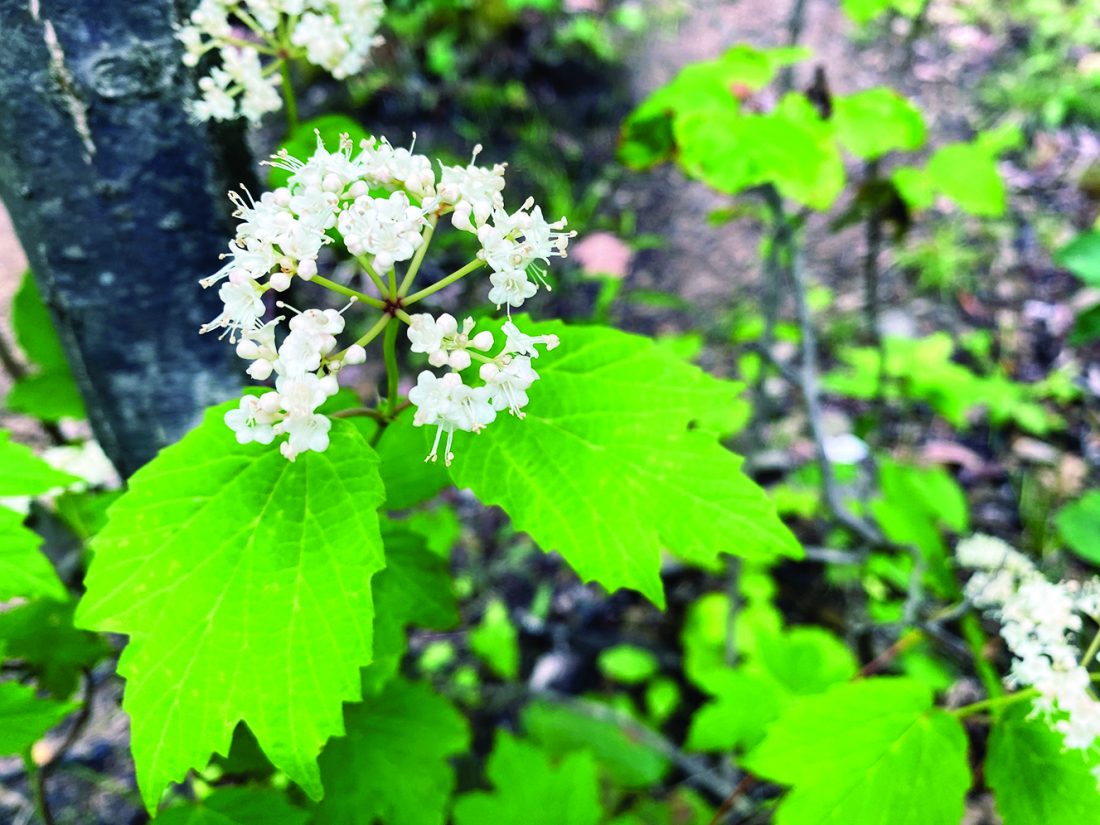
PHOTO PROVIDED Above, mapleleaf viburnum, when in flower, adds a nice touch of color in shady landscapes. At top, Norrie State Park’s River Trail allows one to explore plant life and catch some fantastic views.
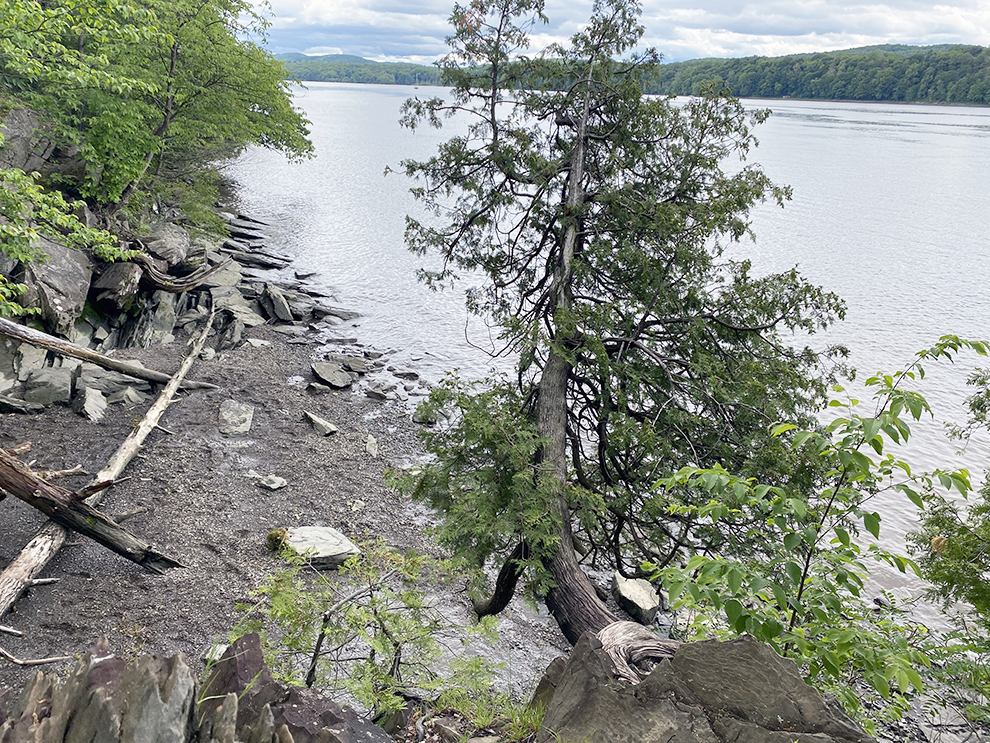
PHOTO PROVIDED A white cedar hangs off a cliff along Norrie State Park’s River Trail.
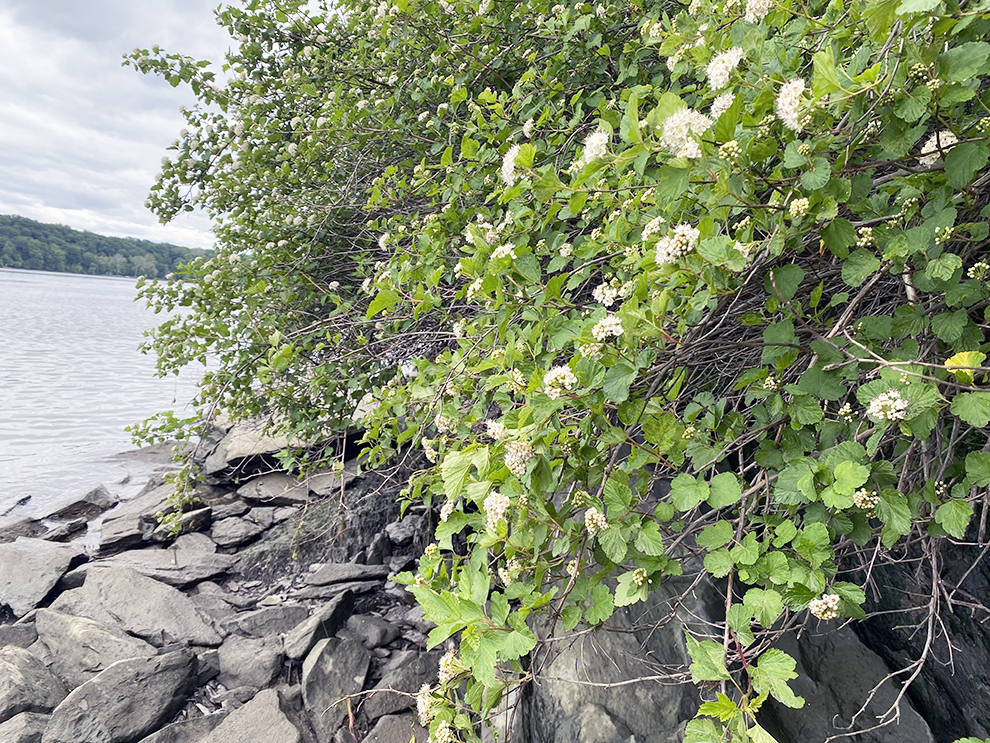
PHOTO PROVIDED Ninebark, covered in blooms, sprawls over the rocks along the Hudson River.
PHOTO PROVIDED Above, mapleleaf viburnum, when in flower, adds a nice touch of color in shady landscapes. At top, Norrie State Park’s River Trail allows one to explore plant life and catch some fantastic views.
PHOTO PROVIDED A white cedar hangs off a cliff along Norrie State Park’s River Trail.
PHOTO PROVIDED Ninebark, covered in blooms, sprawls over the rocks along the Hudson River.
Trending
(Editor's Note: This is the second in the series of articles exploring trails in the Middle Hudson Valley Area.)
While day-tripping for horticulture activities in the Hudson Valley region is doable, it is best to stay overnight at least so as not to feel rushed. Lodging is readily available, but a great way to mix plants, travel, and adventure is staying at the Mills Norrie State Park.
It's a large park (over 1,000 acres) that runs parallel to the Hudson River with plenty of activities for young and old alike. One attraction is the miles of hiking trails that populate the park. Most of the trails are relatively easy on the joints as elevation gain/loss is minor.
The best bang for your buck would be the River Trail. The hike takes you the length of Norrie Mills and Livingston Mills Memorial State Park (adjacent to Norrie), with expansive and scenic views of the Hudson River. If young ones are along for the hike, keep a watchful eye as there are a couple of drop-offs to the water.
For those interested in native plants, there is more than enough to keep one interested in the hike. A species that interested me the most was the white cedar (Thuja occidentalis). It's not a rarity as this tree is commonly used in our Pennsylvania landscapes, as hedges but occasionally as a specimen. But it is the exposed trees to the extreme elements; in this case, the river environment makes it appealing. In a typical landscape, branches run the length of the trunk, but in this setting, lower limbs are missing. The graying bark shines as it separates in long, vertical shedding strips.
Also tucked in the riverbank, on rocky outcroppings, is ninebark (Physocarpus opulifolius). It is a shrubby plant that gets to about nine feet in height with an equal spread. Foliage is not showy as it is green during the growing season and doesn't turn any attractive fall color. Its bark also peels in strips but is a little more obscure with the dense mass of stems.
The main interest is its white flowers with purple stamens, typically late May or early June. But nurseries have found a way to make this plant more appealing by releasing cultivars with purple-colored foliage, such as Diabolo and Summer Wine.
Both white cedar and ninebark perform well in open, exposed areas, typical of the trail edge along the Hudson River. But away from the river, it is a bit shadier with towering oaks, maple, and pine. And that is where the mapleleaf viburnum (Viburnum acerfolium) thrives. It will tend to sucker and form loose colonies. Flowers appear in early June and are showy white, with black fruit appearing in September. It is a good plant for a naturalized landscape as it will attract birds and butterflies. But do remember its native habitat; it will not perform well in an open, sunny setting.
If feeling ambitious, you can hook up with another trail to take you to the Sttaatsbugh State Historic Site. Plenty to see with the historical mansion and towering copper beech trees (see Express edition, July 10).
In the next segment of this series, we'll leave the low elevations and take a plant walk that will give young and old quite a workout and visit The Gunks.
------
Tom Butzler is a horticulture educator with the Pennsylvania State University Cooperative Extension Service and may be reached at 570-726-0022.