
Hidden gems of Madison County: Bridges, artistry and surprises
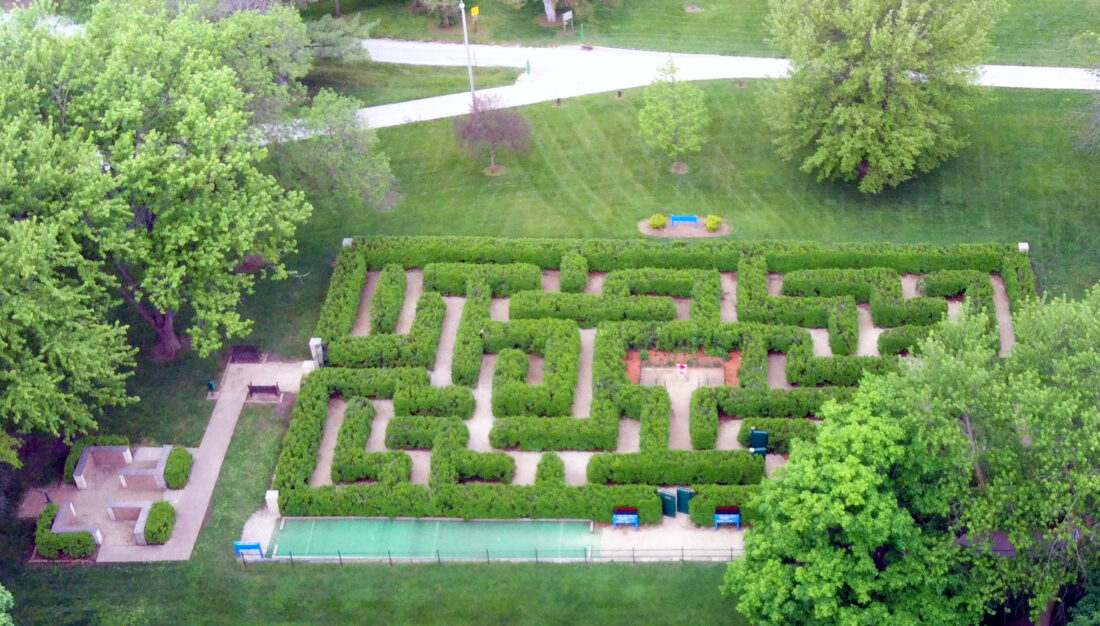
PHOTO COURTESY OF CITY OF WINTERSET PARKS AND RECREATION The hedge maze within the Winterset City Park can provide hours of outdoor entertainment.
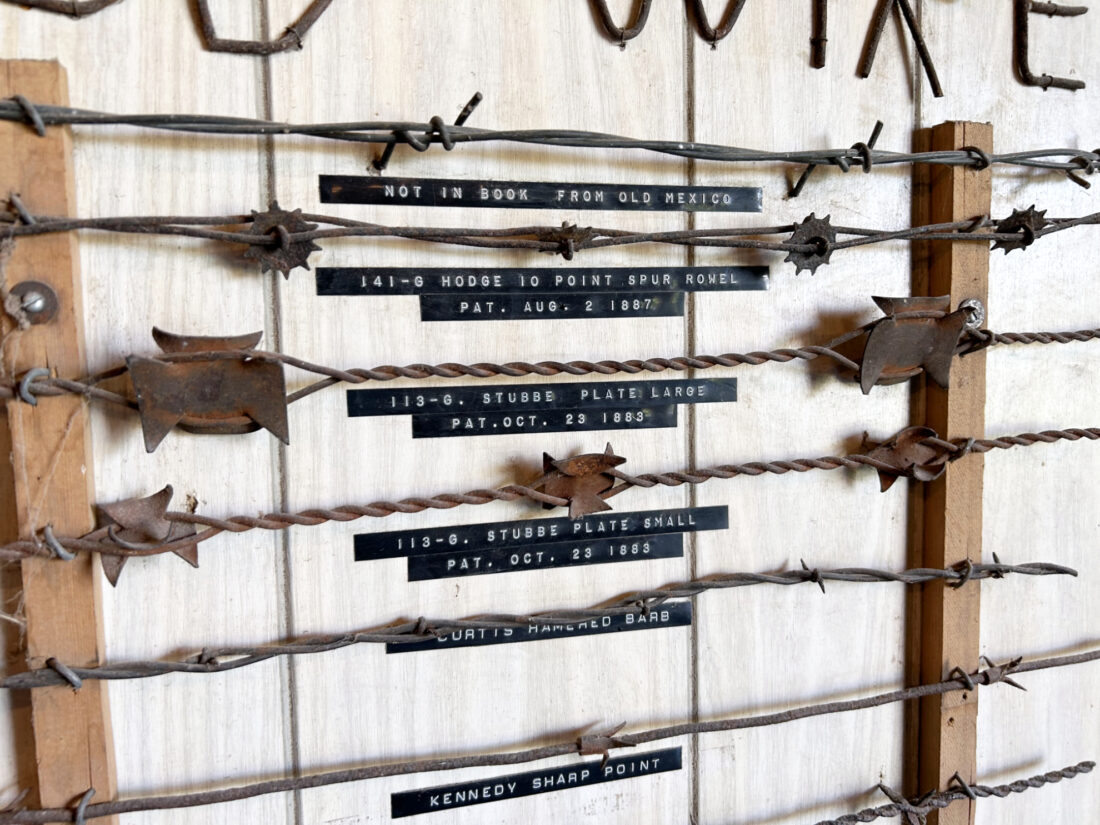
TOM BUTZLER/FOR THE EXPRESS Pictured are various examples on the design and construction of barbed wire at the Madison County Historical Complex.
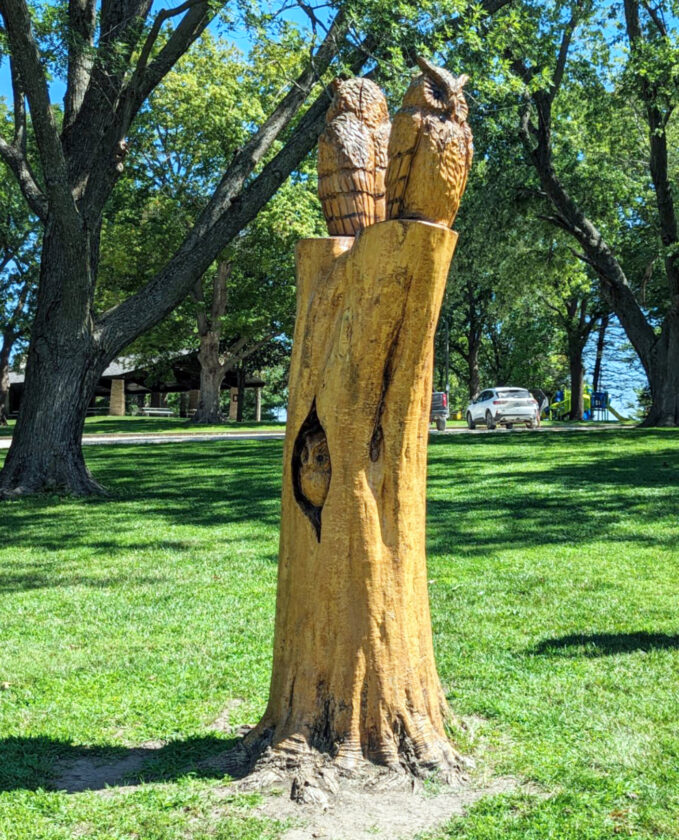
TOM BUTZLER/FOR THE EXPRESS, CHAINSAW ART PHOTO COURTESY OF ELENA ROGERS At top, Cedar Bridge, one of several covered bridges within Madison County, Iowa, is pictured. At middle, turning lemons into lemonade, Winterset City Park officials enlisted the expertise of a chainsaw artist to transform ash tree stumps into works of art. Above, a wall of barbed wire collection at the Madison County Historical Complex is pictured.
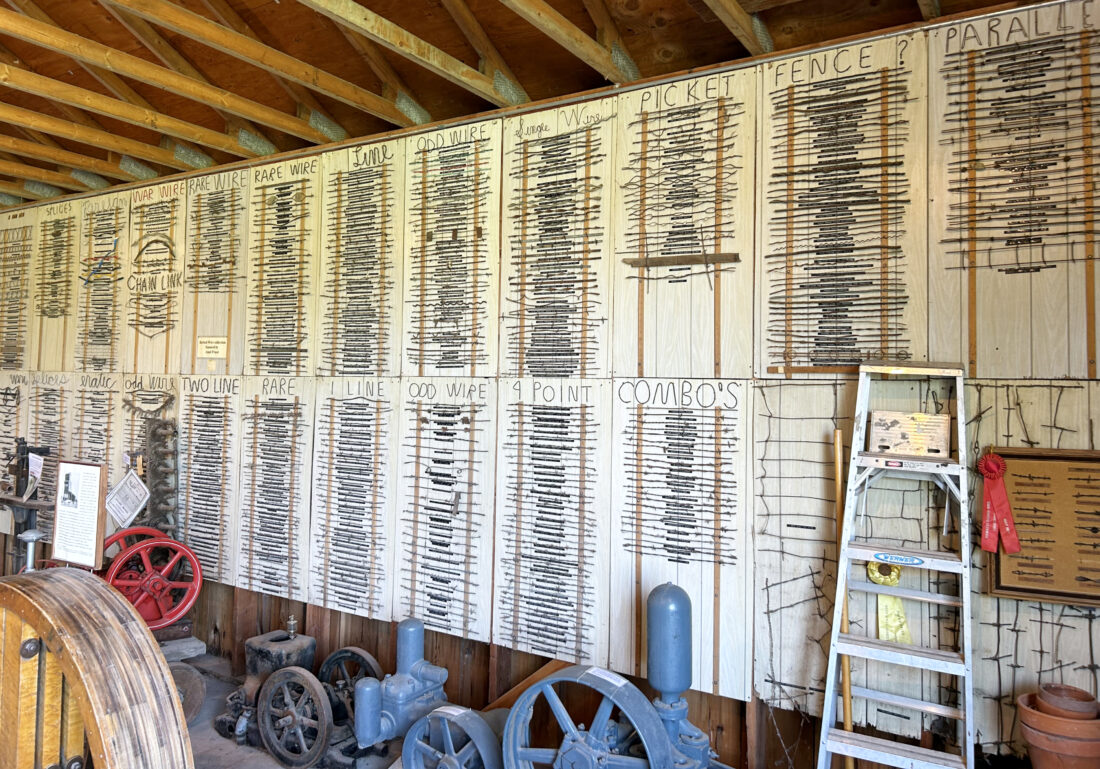
TOM BUTZLER/FOR THE EXPRESS, CHAINSAW ART PHOTO COURTESY OF ELENA ROGERS At top, Cedar Bridge, one of several covered bridges within Madison County, Iowa, is pictured. At middle, turning lemons into lemonade, Winterset City Park officials enlisted the expertise of a chainsaw artist to transform ash tree stumps into works of art. Above, a wall of barbed wire collection at the Madison County Historical Complex is pictured.
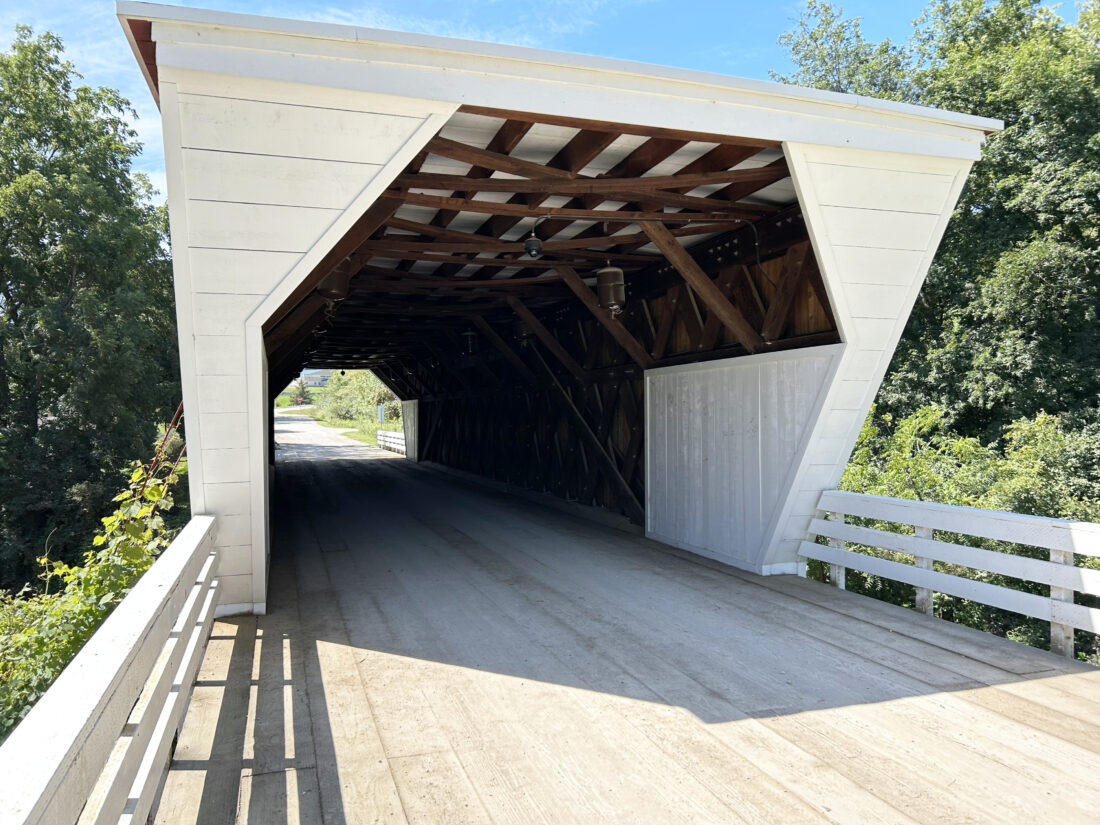
TOM BUTZLER/FOR THE EXPRESS, CHAINSAW ART PHOTO COURTESY OF ELENA ROGERS At top, Cedar Bridge, one of several covered bridges within Madison County, Iowa, is pictured. At middle, turning lemons into lemonade, Winterset City Park officials enlisted the expertise of a chainsaw artist to transform ash tree stumps into works of art. Above, a wall of barbed wire collection at the Madison County Historical Complex is pictured.
PHOTO COURTESY OF CITY OF WINTERSET PARKS AND RECREATION The hedge maze within the Winterset City Park can provide hours of outdoor entertainment.
TOM BUTZLER/FOR THE EXPRESS Pictured are various examples on the design and construction of barbed wire at the Madison County Historical Complex.
TOM BUTZLER/FOR THE EXPRESS, CHAINSAW ART PHOTO COURTESY OF ELENA ROGERS At top, Cedar Bridge, one of several covered bridges within Madison County, Iowa, is pictured. At middle, turning lemons into lemonade, Winterset City Park officials enlisted the expertise of a chainsaw artist to transform ash tree stumps into works of art. Above, a wall of barbed wire collection at the Madison County Historical Complex is pictured.
TOM BUTZLER/FOR THE EXPRESS, CHAINSAW ART PHOTO COURTESY OF ELENA ROGERS At top, Cedar Bridge, one of several covered bridges within Madison County, Iowa, is pictured. At middle, turning lemons into lemonade, Winterset City Park officials enlisted the expertise of a chainsaw artist to transform ash tree stumps into works of art. Above, a wall of barbed wire collection at the Madison County Historical Complex is pictured.
TOM BUTZLER/FOR THE EXPRESS, CHAINSAW ART PHOTO COURTESY OF ELENA ROGERS At top, Cedar Bridge, one of several covered bridges within Madison County, Iowa, is pictured. At middle, turning lemons into lemonade, Winterset City Park officials enlisted the expertise of a chainsaw artist to transform ash tree stumps into works of art. Above, a wall of barbed wire collection at the Madison County Historical Complex is pictured.
Trending
The agricultural tours at the annual meeting of the National Association of County Agricultural Agents are a full-day affair with many stops. In the previous article, I described the seed and plug enterprise of Iowa's Allendan Seed Company, located in Madison County.
No trip to this region of the United States is complete without a visit to the covered bridges of Madison County, renowned through the 1990s book and film "Bridges of Madison County."
On the way to our lunch, we made stops at two such bridges. Cedar Bridge, integral to the novel's narrative, was replaced by Holliwell Bridge in the cinematic adaptation. Notably, Cedar Bridge is the only covered bridge in the county (one of six) designed to accommodate vehicular traffic. After arsonists destroyed it twice and it underwent subsequent reconstruction with sturdier standards, the bridge is now designed to accommodate today's heavier vehicles.
The group then headed to the Cutler-Donahoe Covered Bridge in Winterset City Park. Positioned initially 13 miles away, it found its current home in 1979 (on display, no vehicular traffic). However, some of the park's other features caught my eye.
Pennsylvanians are well acquainted with the emerald ash borer that wreaked havoc in the state several years ago. Trees that were heavily infested met their demise within a short span, and millions of ash trees fell prey to the infestation. This problem extended beyond our state, reaching into the Midwest, including Iowa.
As a precautionary measure for safety, the trees were carefully brought down within the Winterset City Park, leaving behind several towering stumps. Officials enlisted the talents of a local chainsaw artist to turn the ash remnants into public works of art. The exhibits included carved depictions of wildlife like squirrels, owls, and rabbits.
The other item that caught my eye within the park was their hedge maze. Just up the hill from the covered bridge, the maze consists of 1,850 private hedges planted in 1998 by 25 high school students and volunteers. A four-foot fence divides each double row of hedges. I imagine quite a bit of trimming must occur yearly to keep the hedge height and width in check. But what a fun horticulture activity for kids!
We left the park and went to our lunch destination, the Madison County Historical Complex. Spanning 18 acres, this site showcases Madison County, Iowa, residents' heritage and way of life. Besides the 14 historical buildings, the complex houses a diverse collection, ranging from early farm machinery, tools, and household items to Native American artifacts and Civil War memorabilia. But my focus shifted to a less prominent exhibit: barbed wire.
I've walked across, through, and even got caught on barbed wire fences countless times without giving much thought to their form or construction. That changed when I encountered the barbed wire collection at the Madison County Historical Complex. A local farmer, Amel Priest, had a unique hobby -- collecting various types of barbed wire. His collection featured wires designed for different purposes, including sectioning off pastures and intricate designs for warfare entanglement, and some crafted simply for artistic expression.
The final article in this series will focus on a visit to the Covered Bridges winery. This was a chance to learn about grape cultivation in Iowa soils and their wines' distinctive flavors and aromas. And finally, the day winds down with dinner at Iowa State's Jack Trice Stadium, offering a beautiful view of the green playing surface.
-- -- -- --
Tom Butzler is a horticulture educator with the Pennsylvania State University Cooperative Extension Service and may be reached at 570-726-0022.