
Raymond B. Winter State Park has something for everyone
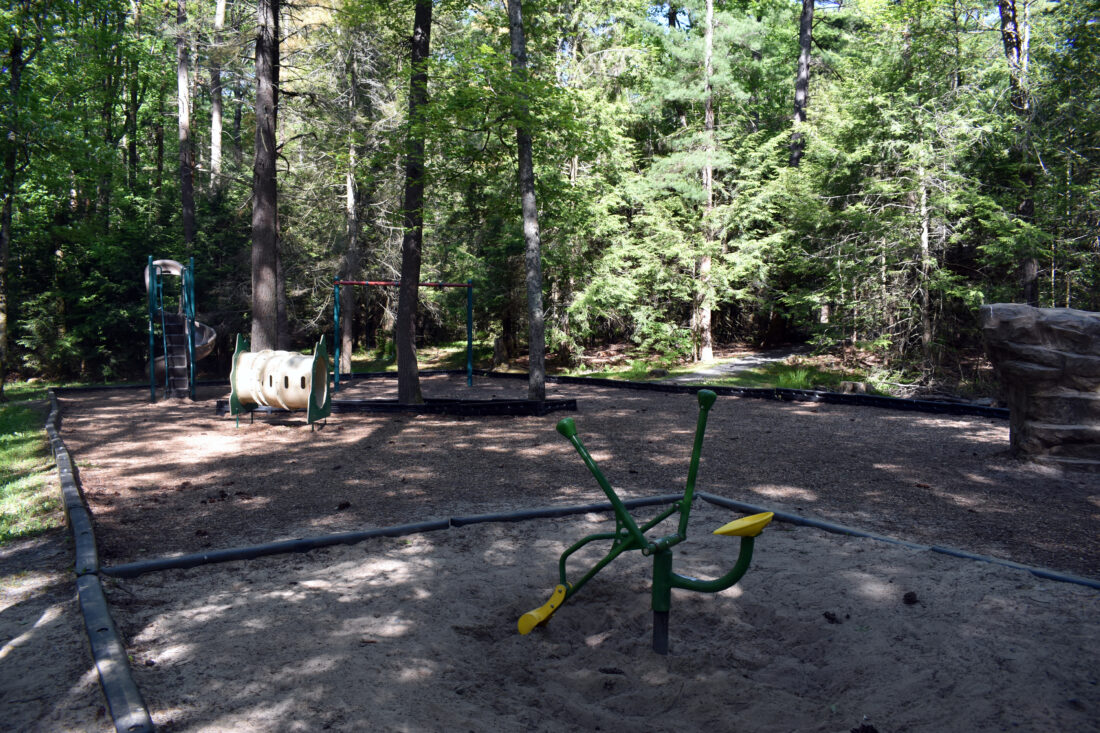
LAURA JAMESON/THE EXPRESS One of the playgrounds that are available for little ones while visiting Raymond B. Winter State Park in nearby Union County.
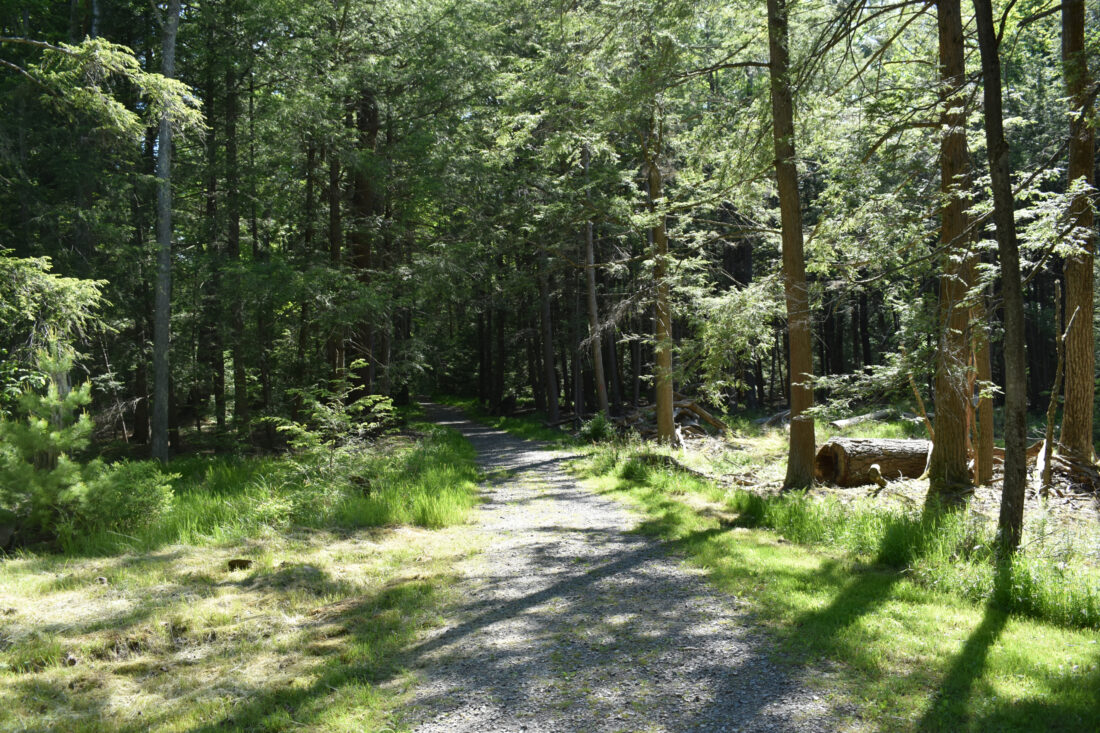
LAURA JAMESON/THE EXPRESS One of multiple trails is pictured.
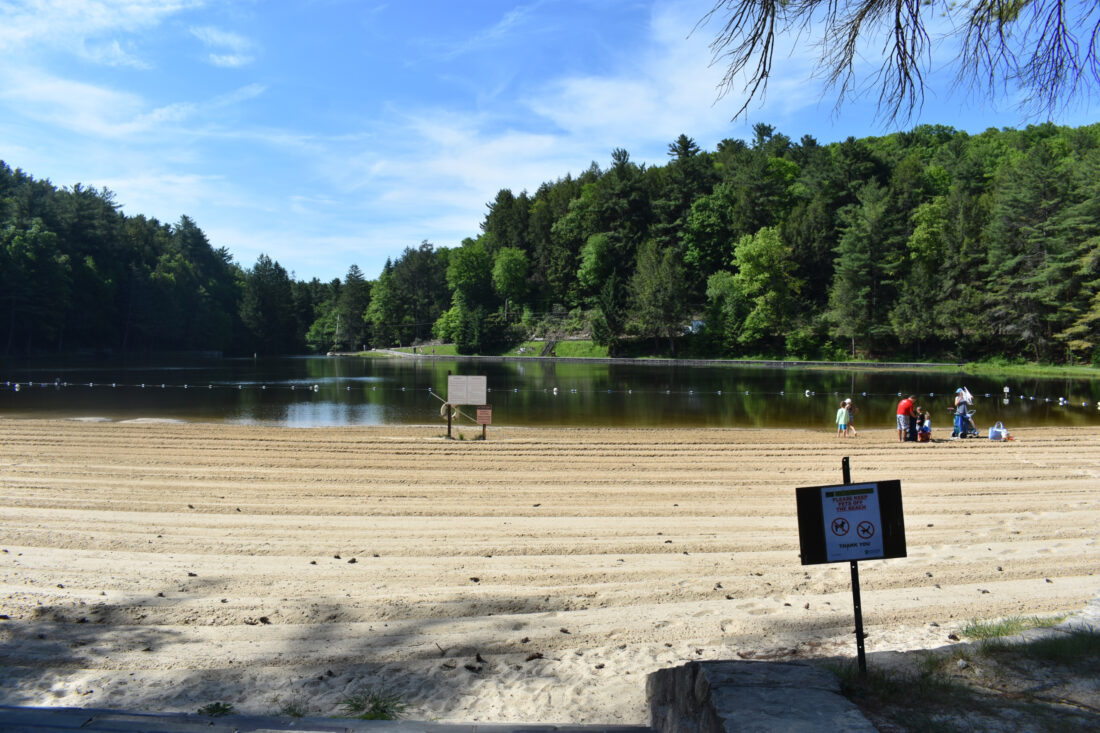
LAURA JAMESON/THE EXPRESS The state park’s focal point is Halfway Lake that includes a beach and fishing pier on its opposite side.
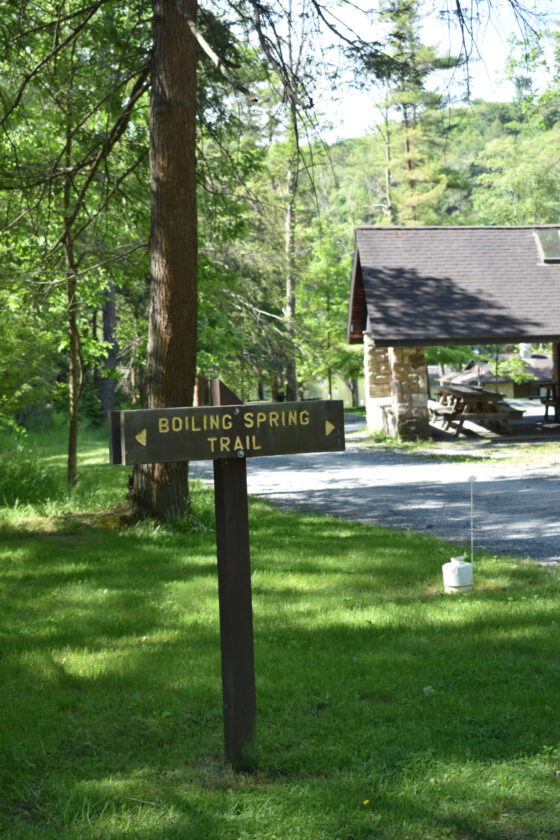
LAURA JAMESON/THE EXPRESS A sign directs hikers or cyclists to the Boiling Spring Trail.
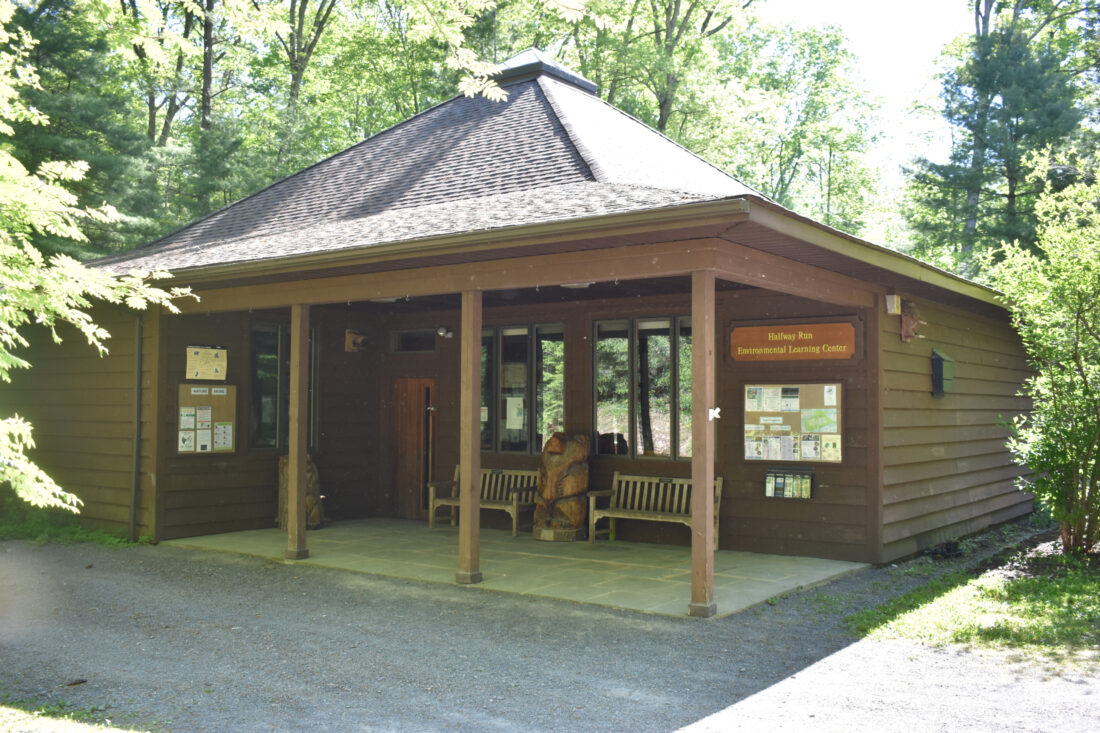
LAURA JAMESON/THE EXPRESS
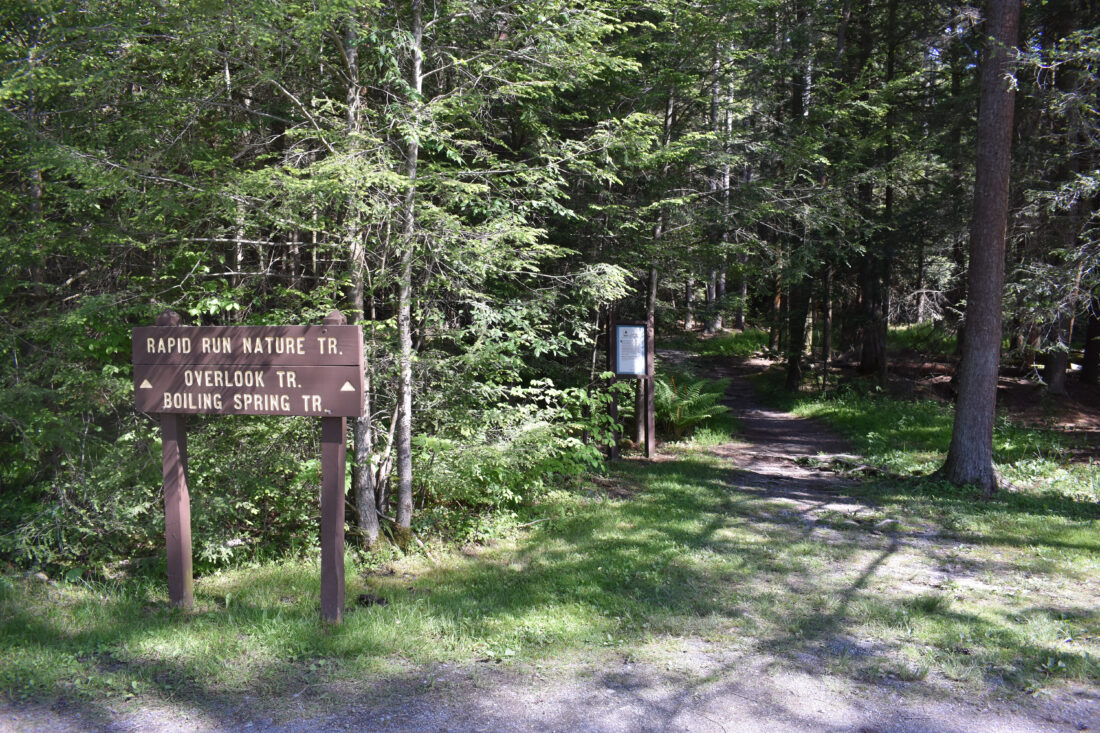
LAURA JAMESON/THE EXPRESS A sign directs park-goers to a number of trails at Raymond B. Winter State Park.
LAURA JAMESON/THE EXPRESS One of the playgrounds that are available for little ones while visiting Raymond B. Winter State Park in nearby Union County.
LAURA JAMESON/THE EXPRESS One of multiple trails is pictured.
LAURA JAMESON/THE EXPRESS The state park’s focal point is Halfway Lake that includes a beach and fishing pier on its opposite side.
LAURA JAMESON/THE EXPRESS A sign directs hikers or cyclists to the Boiling Spring Trail.
LAURA JAMESON/THE EXPRESS
LAURA JAMESON/THE EXPRESS A sign directs park-goers to a number of trails at Raymond B. Winter State Park.
Trending
LOGANTON -- Nestled in nearby Union County, Raymond B. Winter State Park offers the perfect outdoor escape for the whole family.
The park, which covers 695 acres of the Ridge and Valley Province in Central Pennsylvania is located within Bald Eagle State Forest. It boasts a number of recreational activities including hiking, bicycling, horseback riding, kayaking, swimming and fishing at Halfway Lake and much more.
THE HISTORY
According to excerpts from "Halfway to Winter," a booklet written by the park's namesake, Raymond B. Winter, the park area was purchased from J.K. Reish in 1905. Previously the Commonwealth had taken over surrounding land to give ownership and to rehabilitate it after the area was logged.
The park began to take shape into what it is today when it was chosen by the Civilian Conservation Corps (CCC) to be one of four camps in the Bald Eagle State Forest district.
The first job the CCC took on was building the dam, which is located at Halfway Lake.
According to Winter's booklet the CCC group along with foresters, engineers and others worked diligently to create the structure -- which still stands today, creating the large lake.
It was noted by Winter the CCC at the park was the first to construct a cement and stone dam in the United States. Soon after, a bathing beach was created.
According to DCNR's website, Halfway Lake and its beach is a focal point of the park, which is filled by a spring-fed mountain stream.
It further notes the park lies in a shallow basin surrounded by rocky ridges covered with oak and pine forest.
THE ACTIVIES
Fishing
The park is constituted as a coldwater fishery, stocked with brown, rainbow and brook trout. According to DCNR's website, with the exception of the swimming area, the lake and its tributary streams are open to public fishing. The Pa. Fish and Boat Commission stocks the lake and Rapid Run regularly during the season.
It notes most anglers prefer to gather near the sandstone dam or the fishing pier.
In the winter, ice fishing is permitted on natural ice. However, DCNR notes the ice's thickness is not monitored. They offer the following tips to ensure safety while on the ice:
-- Test ice thickness with an auger before recreating. Four inches of solid ice is the minimum recommended thickness for a single person. Seven inches of solid ice is the minimum recommended thickness for small group.
-- Always carry safety equipment and know how to use it.
-- Spread out. Crowds can put too much weight onto one area.
-- Be aware of changes in ice thickness across a body of water. Perimeter ice is weaker due to shifting, expansion, and sunlight reflecting off of the bottom.
-- Avoid areas with protruding logs, brush, plants, and docks. These structures absorb heat, weakening the surrounding ice.
-- Avoid areas with multiple or intersecting cracks, and standing water over ice.
-- Venturing out on ice alone is not advisable. Take a friend along for fun and for safety.
-- Wear a PFD (life jacket).
-- Check the weather and plan accordingly. Several days with temperatures above freezing will weaken the ice.
Hiking
Raymond B. Winter State Park features 6.3 miles of hiking trails which pass through a variety of terrains with only short stretches of steep inclines. DCNR notes trails within the park are marked and maintained, but a map and proper attire are recommended.
Many of the trailers connect with others surrounding Bald Eagle State Forest. Map and trail info for the park and the forest can be found at the park office.
The park offers the following trails:
-- Bake Oven Trail, 0.96 miles. The trail is considered more difficult and serves as a connector trail, marked with orange blazes. The trail runs in conjunction with the Mid State Trail and takes hikers along the ridge top and through areas of mountain laurel and chestnut oak.
-- Boiling Spring Trail, 1.41 miles. The trail is an out-and-back with red blazes and is considered one of the easier hikes. It could also be used for mountain bikers and snowmobilers in the wintertime. The trail follows the waterline originally installed by the CCC. Hikers could enjoy dense mountain laurel and ferns on the route to the original CCC springhouse.
-- Brush Hollow Trail, 0.73 miles. This trail serves as a connector to the Mid State Trail and is considered more difficult. It runs in conjunction with Mid State on the park's southern border. Hikers will see thick patches of mountain laurel and rhododendron.
-- Lakeside Trail, 0.6 miles. Considered an easier hike, this loop trail is marked with red blazes and circles Halfway Lake, providing a great view and passes the first CCC dam built in the state.
-- Laurel Trail, 0.3 miles. Considered an easier hike, the trail serves as a connector -- marked with blue blazes -- and avoids the steep section of Bake Oven Trail. It allows for a more gradual climb up Bake Oven Mountain.
-- Old Boundary Trail, 0.77 miles. This trail is considered more difficult and serves as a connector trail, marked with yellow blazes. The trail connects Bake Oven Trail and Sand Mountain Road. Hikers can expect to cross scenic Halfway Run and its nearby wetland area.
-- Overlook Trail, 0.88 miles. This out-and-back trail is considered more difficult and has many switchbacks to lessen the steepness of the mountain up to an overlook. Once at the top, the trail continues along the ridgeline.
-- Rapid Run Nature Trail, 1.09 miles. Considered an easier hike, this trail is marked with yellow blazes and meanders alongside old growth hemlocks and white pines. This easy foot trail gives a great taste of the natural and historic experience the park has to offer.
-- Rocky Corner Trail, 0.1 mile in park, 0.3 mile total. This connector trail is considered difficult and is marked with yellow blazes. DCNR notes only a third of a the trail is located in the park, with it continuing into Bald Eagle State Forest and connecting with McCalls Dam Road and Old Tram Trail.
-- West Boundary Trail, 0.64 miles. This connector trail is considered difficult and is marked with yellow blazes. It has stretches of steep, rocky terrain and is considered a rugged, yet scenic hike.
Hunting
During established seasons, about 487 acres of the park is open to hunting, trapping and training of dogs with common game species being deer, bear, wild turkey, woodcock, squirrel and grouse.
DCNR notes hunting groundhogs is prohibited and dog training is only permitted the day following Labor Day through March 31 in designated hunting areas.
Mountain Biking
Mountain biking is permitted on designated trails. Raymond B. Winter State Park provides access to 25 off-road mountain bike trails in Bald Eagle State Forest. Riders will find more than 48 miles of trails with nearly 100 miles of connecting forestry roads.
The Central Mountains Shared-Use Trail System brochure provides general information about a number of the trails. The brochure also contains a map showing trails of varying lengths and difficulty.
Maps are available at the park office and at the mountain bike trailhead in the main parking lot.
Picnicking
There are about 150 picnic tables dispersed throughout the park with easy access to charcoal grills, drinking water fountains, restrooms, horseshoe pits, play areas and other park facilities.
There are three separate picnic pavilions that may be reserved up to 11 months in advance for a fee. Unreserved pavilions are available on a first-come, first-served basis.
Stay the Night
The park's 61-site campground accommodates tents, trailers and motor homes and opens in mid-April, closing in mid-December.
Most campsites have electric hook-ups with each differing slightly in elevation and scenery. Each is equipped with a picnic table, lantern holder and fire ring.
The campground also provides showers, handwashing facilities, sanitary dump station, drinking water and a playground. Pets are permitted on designated campsites for a fee.
The park also has free camping for campground hosts. The site has amenities that include 50-amp electric service and water hookup. The host is required to assist park personnel for 40 hours per week with a two-week minimum stay. Contact the park office for additional information and availability.
Also included at the park are three camping cottages. Each cottage can sleep five people and has wooden walls and floors, windows, electric lights and outlets, electric heat, bunkbeds, skylights, a porch, a picnic table and fire ring and nearby shower house.
DCNR notes the cottage requires a two-night minimum stay with advance reservations. A one-day stay is accepted for walk-ins only.
Swimming
The swimming beach includes 300 feet of white sand and is open from late-May to mid-September from 8 a.m. until sunset. The beach includes restrooms, dressing facilities, beach volleyball court and a playground.
A seasonal snackbar is located just behind the beach with food and refreshments. The limited menu includes hot dogs, hamburgers, chips, cold drinks and ice cream among other items.
DCNR notes this is a smoke-free beach with designated areas for those who choose to do so.
Wildlife Watching
The park office and Halfway Run Environmental Learning Center, located near the lake, hosts several flower and herb gardens which attract wildlife. Native plants and garden flowers draw a variety of species of butterflies and hummingbird moths and silver spotted skippers also frequent them.
A number of birds often feed on the seeds and insects as well.
Rapid Run Natural Area
Thirty-nine acres surrounding the Rapid Run Nature Trail is one of the first state park natural areas. According to DCNR natural areas are set aside "to provide locations for scientific observation of natural systems, to protect examples of typical and unique plant and animal communities, and to protect outstanding examples of natural interest and beauty."
Visitors to the nature area will discover bogs, vernal ponds, wetlands, springs, seeps and white pine and hemlock forests.
It was noted by DCNR visitors to the park will feel as though they are stepping back in time and encountering the forest the way it appeared during 1850.
Winter Recreation
The park offers a variety of winter activities including cross-country skiing, ice fishing, snowmobiling and snowshoeing. To learn even more about each of these you may visit www.pa.gov/agencies/dcnr/recreation/where-to-go/state-parks/find-a-park/raymond-b-winter-state-park/winter.
EVENTS
Raymond B. Winter State Park offers a plethora of activities. To keep up-to-date on these events, visit events.dcnr.pa.gov/raymond_b_winter_state_park.