
State Park Series: Ole Bull offers a wide range of amenities, activities
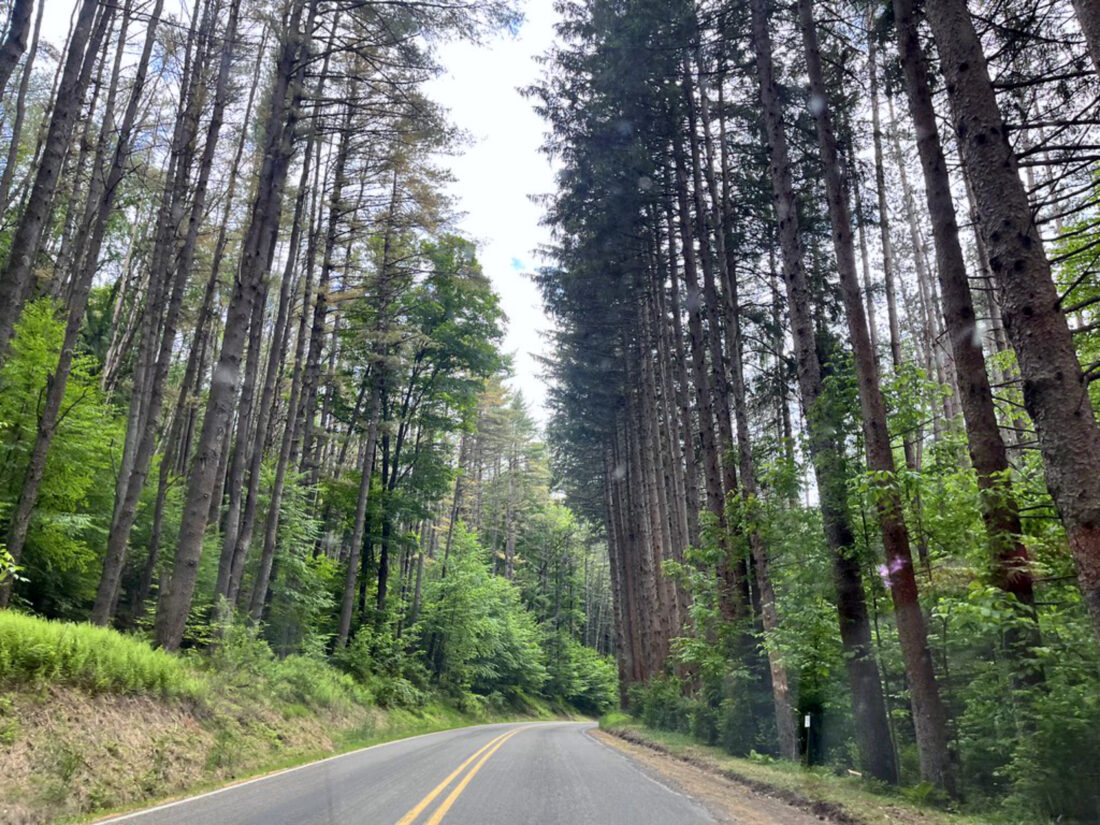
LAURA TARANTELLA/THE EXPRESS The stunning view along PA Route 144 is lined with towering trees showcases the forested beauty that welcomes visitors to Ole Bull State Park.
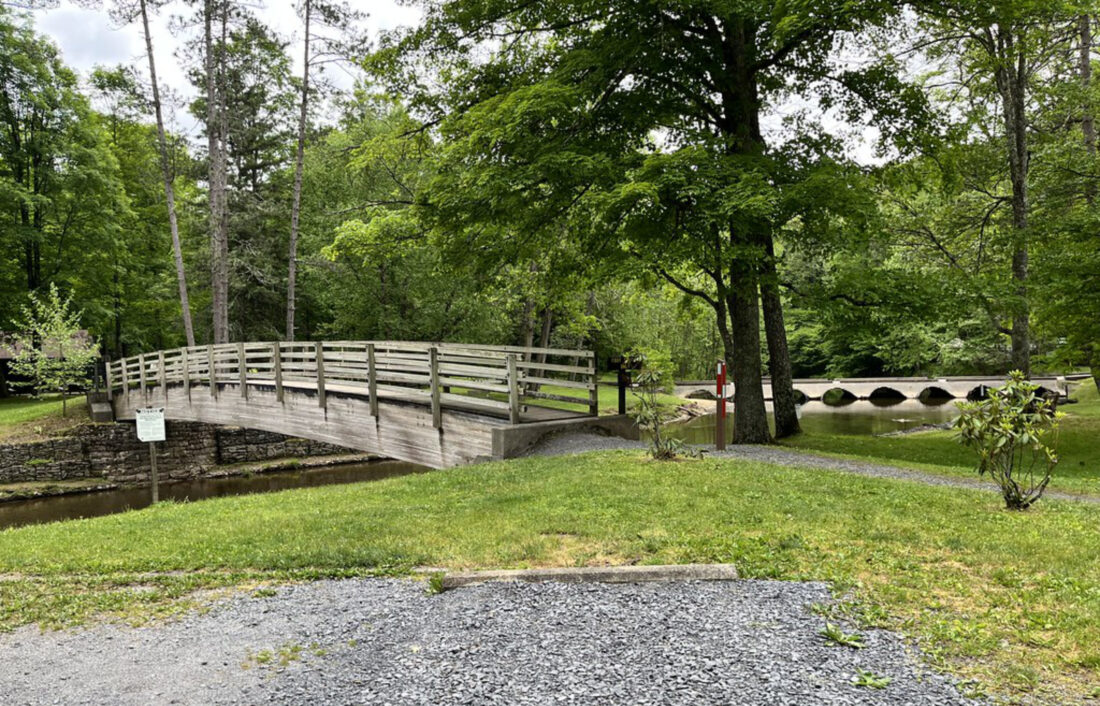
LAURA TARANTELLA/THE EXPRESS A walking bridge connecting the beach and picnic area makes it easy for families stopping in for a day trip.
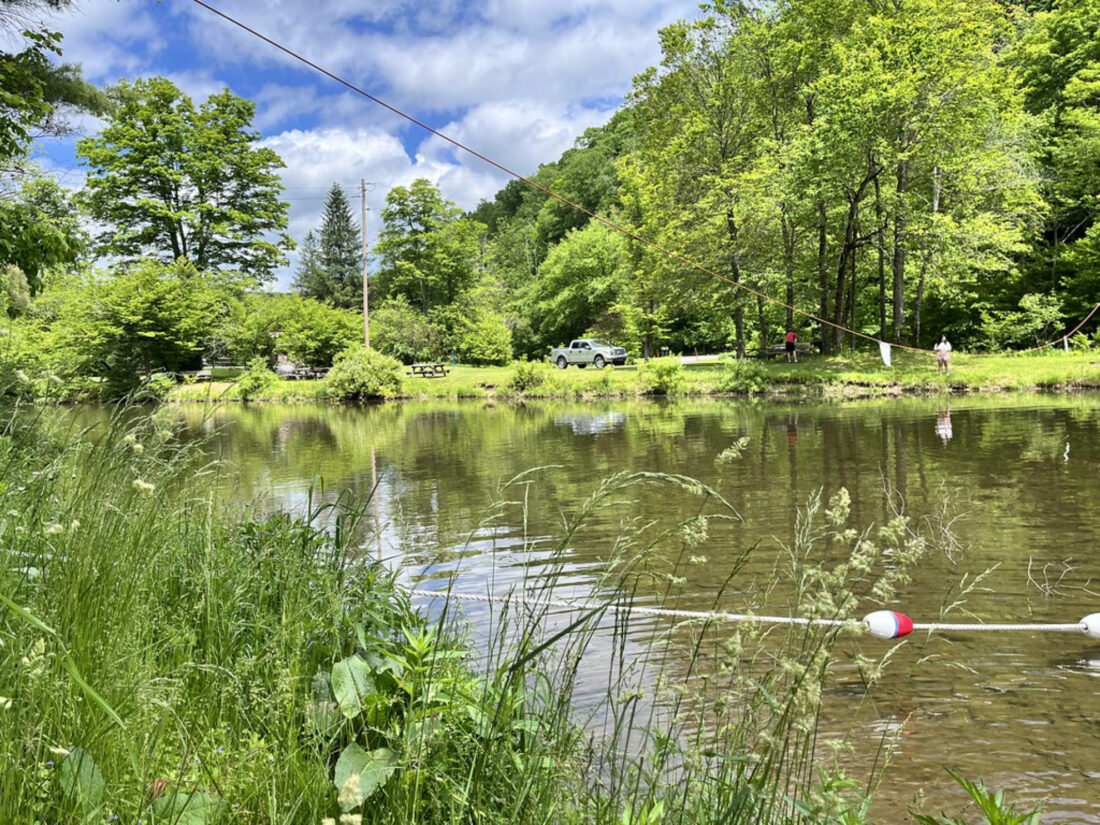
LAURA TARANTELLA/THE EXPRESS A calm section of Kettle Creek reflects the surrounding greenery near the beach, a popular destination for fishing and outdoor recreation.
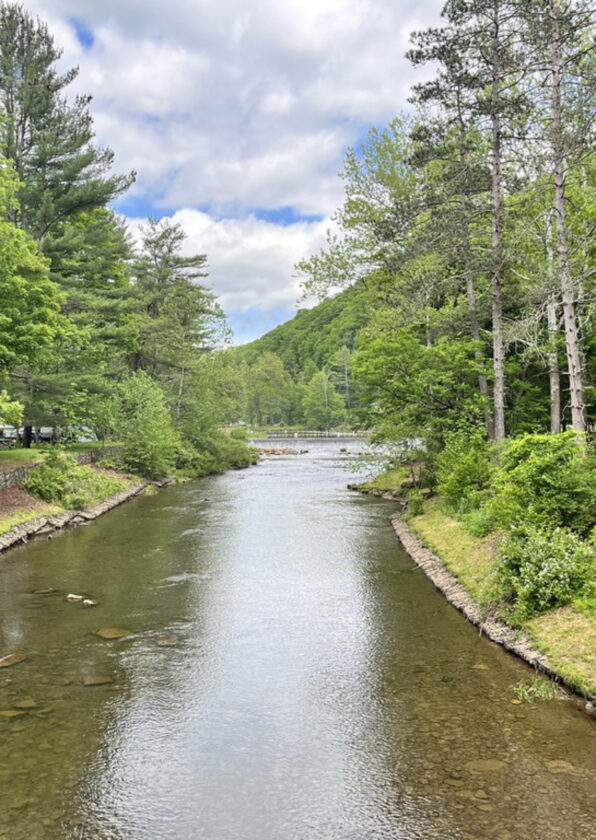
LAURA TARANTELLA/THE EXPRESS Kettle Creek flows through the park where visitors can enjoy scenic views while picnicking, camping or hiking.
LAURA TARANTELLA/THE EXPRESS The stunning view along PA Route 144 is lined with towering trees showcases the forested beauty that welcomes visitors to Ole Bull State Park.
LAURA TARANTELLA/THE EXPRESS A walking bridge connecting the beach and picnic area makes it easy for families stopping in for a day trip.
LAURA TARANTELLA/THE EXPRESS A calm section of Kettle Creek reflects the surrounding greenery near the beach, a popular destination for fishing and outdoor recreation.
LAURA TARANTELLA/THE EXPRESS Kettle Creek flows through the park where visitors can enjoy scenic views while picnicking, camping or hiking.
Trending
CROSS FORK -- Located in the heart of Pennsylvania's rugged Black Forest region, Ole Bull State Park offers visitors a peaceful escape into one of the most remote and scenic landscapes in the Commonwealth.
Situated along PA Route 144 in Potter County near the village of Cross Fork, the 132-acre park sits within the Kettle Creek Valley and is surrounded by the vast woodlands of Susquehannock State Forest. The area is known as the Black Forest because of its once-dense tree cover, mountainous terrain and wilderness character.
The park is named after Ole Bornemann Bull, a renowned Norwegian violinist who attempted to establish a Norwegian settlement in the region during the mid-1800s.
Today, visitors can enjoy a blend of history, outdoor recreation and natural beauty while exploring the park's forests, streams and scenic overlooks.
According to the Department of Conservation and Natural Resources, Ole Bull State Park provides opportunities for hiking, camping, fishing, swimming, mountain biking and winter recreation throughout the year.
"Ole Bull State Park consists of 132 acres along the Kettle Creek Valley in Potter County," DCNR notes, describing an area characterized by mountainous terrain and abundant wilderness habitat.
THE HISTORY
Ole Bull State Park traces its origins to the ambitions of Norwegian violin virtuoso Ole Bornemann Bull, who purchased a large tract of land in Potter County in 1852 with plans to establish a colony for Norwegian immigrants. He founded several settlements in the Kettle Creek region and began constructing a large home overlooking the valley.
However, the settlement effort proved difficult. Harsh conditions, rugged terrain and challenges associated with clearing the heavily forested land led many settlers to abandon the colony within a year and relocate to the midwest. Bull's unfinished homestead eventually became known as Ole Bull Vista.
Following the collapse of the colony, the region became heavily influenced by the lumber industry. By the late 1800s and early 1900s, railroads carried timber harvested from the surrounding forests to nearby sawmills. After the timber boom declined, the Commonwealth acquired large portions of the cutover land.
Ole Bull State Park officially opened in 1925 as a picnic area. During the Great Depression, the Civilian Conservation Corps played a significant role in developing the park, constructing facilities including pavilions, camping areas, restrooms and the original swimming area dam.
In 2002, a monument honoring Ole Bull was erected in the park to commemorate the 150th anniversary of the Norwegian colony. The monument was presented as a gift from the people of Norway.
ACTIVITIES
Fishing
Kettle Creek and Ole Bull Run provide excellent fishing opportunities throughout the park. Anglers can pursue brook, brown and rainbow trout in the cold-water streams that flow through the valley.
A special fishing area near the dam is available for children and visitors with disabilities.
Fishing is prohibited between the wires at the dam basin and swimming area.
All Pennsylvania Fish and Boat Commission regulations apply.
Swimming
A popular attraction during the summer months is the park's 150-foot sandy beach along Kettle Creek. The swimming area is typically open from late May through mid-September and offers visitors a refreshing place to cool off during warm weather.
"Swim at your own risk," DCNR notes, as lifeguards are not provided. Pets are prohibited within the beach area.
Hiking
Ole Bull State Park serves as a gateway to numerous hiking opportunities, including trails within both the park and the adjacent Susquehannock State Forest.
-- Beaver Haven Nature Trail: This 1.8-mile loop trail travels along Kettle Creek, passes through wetlands and a Civilian Conservation Corps pine plantation, and provides opportunities to observe wildlife and a large beaver pond. Hiking, mountain biking, cross-country skiing and snowshoeing are permitted.
-- Castle Vista Trail: This one-mile loop is a more challenging hike that climbs to a scenic overlook above the park. Visitors can view the foundation remains of Ole Bull's unfinished homestead while enjoying panoramic views of the surrounding valley.
The park also serves as a trailhead for the extensive Susquehannock Trail System, a renowned backpacking route that traverses remote sections of the Pennsylvania Wilds.
-- Daugherty Loop Trail: This 2-mile Daugherty Loop is accessed near the entrance to Campground 1. A section of this trail is in Susquehannock State Forest. This trail traverses the Ole Bull Run Valley, crosses a bridge and comes back up the other side. There are narrow sections and stairs along this trail.
-- Hemlock Swamp Trail: This 1-mile long multi-use trail is accessed near camper storage. It travels through the northern section of the park and showcases many riparian wetland areas that are home to our state tree, the Eastern Hemlock.
Mountain Biking
Several trails within and around the park are open to mountain biking, allowing cyclists to explore the Black Forest region while traveling through scenic woodlands and along stream corridors. The Beaver Haven Nature Trail is one of the most popular options for riders.
Camping
Camping is available year-round at Ole Bull State Park. Two campgrounds located along Kettle Creek provide sites suitable for tents and recreational vehicles.
Many campsites offer electric hookups, and all sites include a picnic table and fire ring.
Modern restrooms, water hydrants and a sanitary dump station are available for campers.
Both sunny and shaded sites can be found throughout the campgrounds.
Reservations can be made online through Pennsylvania State Parks or by calling 888-PA-PARKS.
Picnicking
Picnic facilities are located along the banks of Kettle Creek across from the swimming area. The day-use area includes picnic tables, pavilions, fireplaces, restrooms and a playground, making it a popular destination for family outings and group gatherings.
Several pavilions may be reserved in advance.
Wildlife Watching
The forests surrounding Ole Bull State Park provide habitat for a variety of wildlife species. Visitors may encounter white-tailed deer, black bears, wild turkeys, squirrels and numerous bird species while exploring the park and neighboring state forest lands.
Seasonal changes create diverse viewing opportunities, from spring wildflowers and summer greenery to vibrant autumn foliage and winter landscapes.
Winter Recreation
When snow blankets the region, Ole Bull State Park becomes a destination for winter outdoor enthusiasts. Cross-country skiing, snowshoeing and snowmobiling are popular activities, with trails extending into the surrounding state forest. The quiet winter scenery of the Black Forest provides a unique experience for visitors seeking solitude and outdoor adventure.
Hunting
During established seasons, approximately 25 acres of the park are open to hunting, trapping and dog training. Common game species include deer, turkey, grouse, bear and squirrel.
DCNR notes "Hunting woodchucks, also known as groundhogs, is prohibited. Dog training is only permitted from the day following Labor Day through March 31 in designated hunting areas."
Hunters also have access to extensive nearby lands within Susquehannock State Forest.
All Pennsylvania Game Commission and DCNR regulations apply.