
Trending
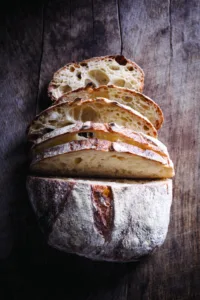
METRO -- Warm bread fresh out of the oven is a culinary delight. Whether slathered with butter or framing a favorite sandwich, homemade bread can elevate any meal. And homemade sourdough bread is especially popular.
Sourdough has been around for centuries. According to Eric Pallant, chair of the Department of Environmental Science and Sustainability at Allegheny College, and author of Sourdough Culture: The History of Bread Making from Ancient to Modern Bakers, sourdough has been around for 6,000 years, ever since breads were first baked in ancient Egypt and surrounding areas.
Sourdough baking experienced a modern revival in 2020 during the global pandemic lockdowns. As people were tied to their homes for extended periods of time, many turned to cooking, crafting and baking as ways to pass the time. Due to runs on many grocery staples, home cooks propagated wild yeast starters when commercial yeast vanished from store shelves. Social media feeds were teeming with pictures and posts showcasing people's bubbling sourdough starters and their finished baked goods.
Baking sourdough is equal parts science, patience and intuition. Transforming sticky starter into airy, crusty bread comes down to mastering a few fundamental principles. These tips will help anyone's sourdough rise to the occasion.
-- Begin with a strong starter. To achieve maximum rise, starter needs to be fed consistently and used at its peak. This occurs when it has doubled or tripled in volume, shows a slightly domed surface, and is filled with small bubbles. A weak starter will not offer enough lift, so it is key to ensure the starter is active and bubbly before mixing. There are many recipes for starter on the internet, and individuals can experiment with various techniques.
-- Master hydration. High-hydration doughs produce beautiful, open crumb structures that can be found all over social media. However, they are notoriously sticky and difficult to handle. According to Amy Bakes Bread, hydration simply means the amount of water compared to the flour in the dough, expressed as a percentage. When starting out, a person should stick to a manageable 65 to 70 percent hydration level. Lower hydration allows a person to practice shaping and build confidence.
-- Rely on visual clues. Fermentation is where flavor and structure develop. It is heavily influenced by ambient temperature. Instead of following a rigid timer, one should rely on visual cues. The dough is ready when it increases in volume by around 30 to 50 percent, feels light and airy, shows smooth surface bubbles, and holds a mild jiggle when a person shakes the bowl.
-- Harness the steam. Irresistible sourdough crust requires intense heat and trapped steam. Steam will keep the outer skin of the dough soft during the first few minutes of baking, allowing the loaf to expand fully before the crust sets. This can be achieved by using a preheated Dutch oven with the lid on. It will create a high-humidity environment, according to Flour Water Salt Yeast: The Fundamentals of Artisan Bread and Pizza, by Ken Forkish.
Baking delicious sourdough is a journey of continuing education. Individuals can experiment with different techniques as they hone their skills.