
Growing Tips: Fall gardening do’s and don’ts
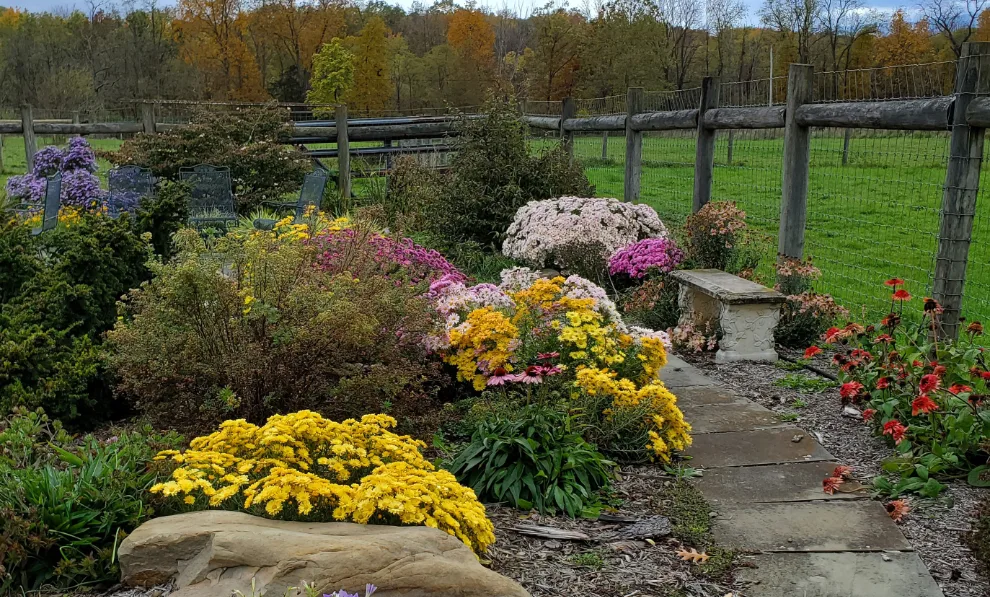
PHOTO BY DEBRA BURROWS After cold weather has turned these colorful flowers into brown stalks, they are left in place to serve as insulation for the crowns of the plants. Some also provide food or habitat for wildlife.
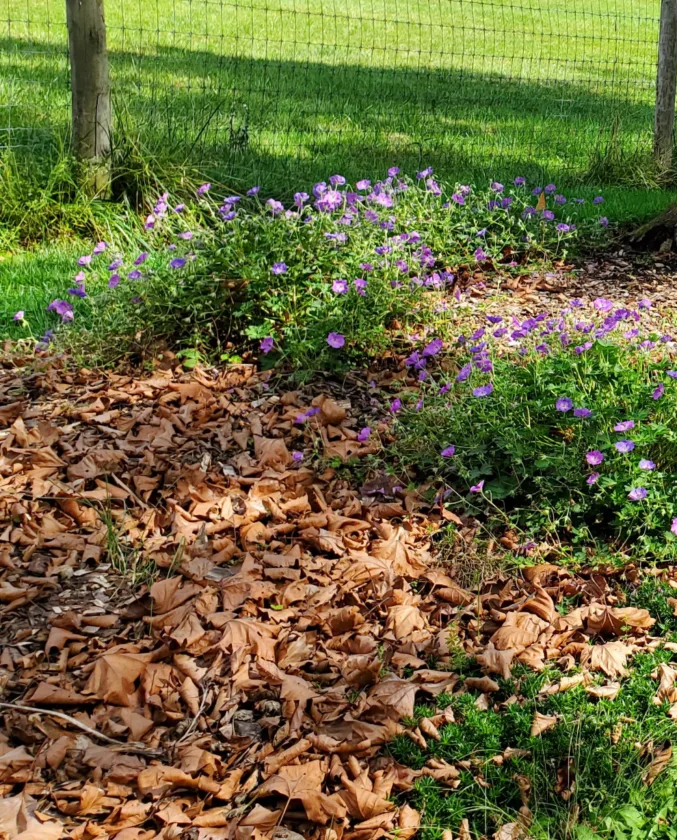
PHOTO BY DEBRA BURROWS Left undisturbed, the fallen leaves in this bed can provide wintertime protection for plants as well as habitat for a variety of insects.
PHOTO BY DEBRA BURROWS After cold weather has turned these colorful flowers into brown stalks, they are left in place to serve as insulation for the crowns of the plants. Some also provide food or habitat for wildlife.
PHOTO BY DEBRA BURROWS Left undisturbed, the fallen leaves in this bed can provide wintertime protection for plants as well as habitat for a variety of insects.
Trending
As fall approaches, let's look at some things gardeners can do, and not do, to prepare their gardens and the wildlife that inhabit them for winter and help them get off to a healthy start next spring.
To the dismay of many, autumn frosts kill the top growth (foliage, stems, flowers and seed heads) of both annuals and perennials, turning lush, colorful beds into shriveled brown shadows of their former beauty. In the past, conventional wisdom told us to "clean up" by removing the dead growth, but research has shown there is a better way. Instead, we need to be selective in our efforts to tidy up.
After a killing frost, all parts of annuals should be removed. The top growth of most perennials, however, should be left in place. Left standing, the dead stalks of perennials can shelter the crown of the plant, helping it to overwinter. Remaining seed heads offer food for birds and other wildlife. Hollow stems and crowns can provide winter habitat for insects. Simply put, allowing perennial top growth to remain in place has many benefits. Diseased or insect infested perennials are the exception. Their top growth should be removed and discarded (not composted) to decrease the potential for re-infection next spring.
Much has been written about the declining numbers of birds and other wildlife due to loss of food sources and habitat. Allowing perennial top growth to remain is one way gardeners can make a difference. It's also worth noting that dried stalks and seed heads can add beauty and interest to a winter landscape when they are covered in ice and glistening in the sun or sticking up from a drift of snow.
Fallen leaves have long been a fall gardening chore, but guidance on handling them has changed as well. Instead of viewing fallen leaves as bothersome trash to be disposed of, research has shown them to be valuable commodities. As a kid whose job it was to rake leaves, I wish this research had been done a little sooner!
Recommendations for leaves include allowing them to accumulate in flower beds. They provide insulation from cold weather and, as they decompose, add organic matter to the soil which in turn improves soil structure. Allowing leaves to accumulate undisturbed under shrubs and trees provides a place for insects and other wildlife to overwinter. We may not realize it, but certain butterflies, moths, fireflies, caterpillars and beetles spend portions of their lifecycles in fallen leaves and depend upon them. Allowing leaves to remain in garden beds is another way gardeners can make a difference. Additional information on insects that overwinter in fallen leaves is available from Penn State at nto.psu.edu/news/insect-life-under-the-leaves
Leaves can also be used to add organic matter to lawns but must first be shredded. The easiest way to do this is with a lawn mower, which can decrease or eliminate the need for raking, which I appreciate. Mulching mowers do a good job of shredding leaves. Regular mowers can be used as well, but several passes may be necessary. Adding shredded leaves to turf is a situation where more is not better. Too many leaves can form a thick blanket which will deprive the lawn of air and sunshine. University of Connecticut Extension recommends covering no more than 20 percent of the lawn surface with each mulching (ipm.cahnr.uconn.edu/leaf_disposal_mulch_mowing/).
By late summer many gardeners have had their fill of weeding, but it's not time to stop. In fact, early fall is one of the most crucial times for controlling garden weeds. That's because, left undisturbed, many weeds spread their seeds in late summer and early fall. A single plant can release dozens, hundreds, or even thousands of seeds. Removing these weeds before they have an opportunity to release their seeds can save many hours of weeding in the future.
We often think of spring as the most important season in the garden, but the things gardeners do in the fall can help plants and wildlife survive the winter and prepare them for a good start in the spring. I've followed these and other ecological landscaping recommendations for years, and the plants and wildlife have shown their appreciation by filling my gardens with colorful flowers and fascinating insects, birds, and other wild creatures.
-- -- -- --
Debra C. Burrows, PhD is a retired Penn State Extension Educator and a certified Master Gardener. She can be reached at dcb3@psu.edu.