
Survivorship programs help cancer patients continue on a path of good health and care
Trending
Survivorship starts the day someone receives a cancer diagnosis. It continues during and after treatment and on through the end of life. With early detection and highly effective treatments, more people are surviving cancer than ever before. National Cancer Institute data from January 2022 estimates 18.1 million cancer survivors in the U.S. -- a number that is expected to grow to 22.5 million by 2032. Cancer centers, like UPMC Hillman Cancer Center, have created survivorship programs aligned with national best practices offering quality care and support services to the increased number of survivors, helping them find sure footing on the path to the best possible quality of life post-cancer.
Many survivors report that the end of cancer treatment is bittersweet. Getting a clean bill of health also means giving up what has become an important support network that includes regular doctor appointments and bonds formed with other patients and staff at their cancer center. When these routine visits wind down, some patients feel adrift and unsure of what to do next. Patients often have concerns about whether the cancer will return. Some feel betrayed by their bodies and struggle with anxiety or depression. There are also physical changes that can include fatigue, learning and memory disorders, neuropathy, osteoporosis, pain and lymphedema.
Some people are better prepared for life after cancer than others. However, everyone can benefit from help and support as they transition into a new life after cancer. While every survivorship program is different, they all focus on offering the individual a complete and very personalized survivorship care plan. The care plan typically includes information about the kind of cancer for which the individual was treated, cancer treatments received and recommendations for checkups and follow-up tests.
Many people -- including people with cancer and their friends and family -- assume the end of cancer treatment means the end of cancer-related concerns. Understandably, they, and their families, want to move on from cancer. More than anything, they want to get back to the lives they had before cancer. However, some cancer treatments may cause health problems later. These may be called long-term side effects. These problems might not appear right away, and some don't show up until years after treatment. The plan addresses concerns or symptoms that the individual is likely to experience based on their treatment and information on the resources they need to address them head-on.
Because survivors face more than the physical impact of their disease, a survivorship plan also addresses the common emotional and social issues a survivor may encounter. The fear of recurrence, anxiety, depression and problems with body image and appearance are common as a survivor's mindset shifts from survival mode into "normal" life. These emotional responses are normal, and it's important to be aware of the fears and feelings and share them with others. Emotional support can be a powerful tool for both cancer survivors and their families. Survivors and family members are encouraged to ask questions and speak with their care providers about what may be best. Survivorship programs offer survivors and families peer support groups, counseling and additional resources focused on emotional and psychological health.
Just as the battle with cancer required lifestyle adjustment, so too does survivorship. In addition to adjusting to the new schedule and cadence of life, survivors are encouraged to establish their new normal by focusing on establishing healthy habits for their physical health, like adopting a healthy diet and developing an exercise routine, and focusing on mental health, like taking time to experience the things that bring joy to their lives and well-being.
As a survivor, remember the good news: You are one of millions of Americans alive today who has had cancer, and the survival rate is improving all the time. Like most of them, you and the people around you can adjust to and lead a fulfilling life after cancer.
-- -- -- --
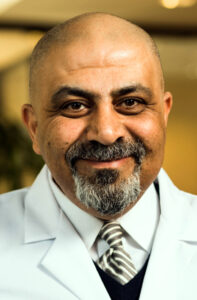
Abdalla Sholi, M.D., is the medical director of Medical Oncology at UPMC Hillman Cancer Centers in Coudersport, Wellsboro and Williamsport. UPMC Hillman Cancer Center provides exceptional support for patients with all stages of cancer and its Survivorship Program is available to all patients following their last course of treatment. In addition to a written care plan, all patients are eligible to take part in a survivorship care clinic where they can meet with an advanced practice professional specializing in cancer treatment to work through their survivorship plan as well as meeting with any of the following disciplines: spiritual counseling, behavioral health counseling, physical therapy, nutritional counseling, sexual and reproductive health, financial counseling and social services. To learn more, visit UPMC.com/CancerNCPA.