
Meeting a need: Faith Centre Food Bank works to support those in need year-round
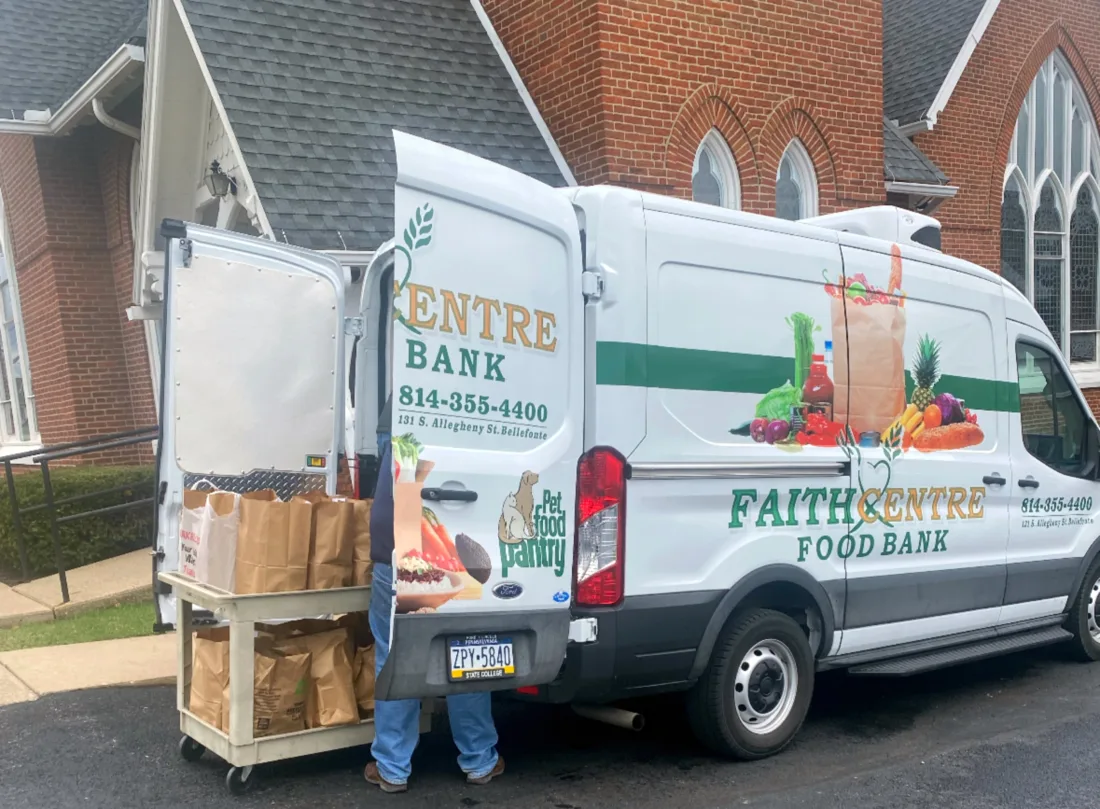
PHOTO PROVIDED Faith Centre Food Bank’s delivery van is pictured above.
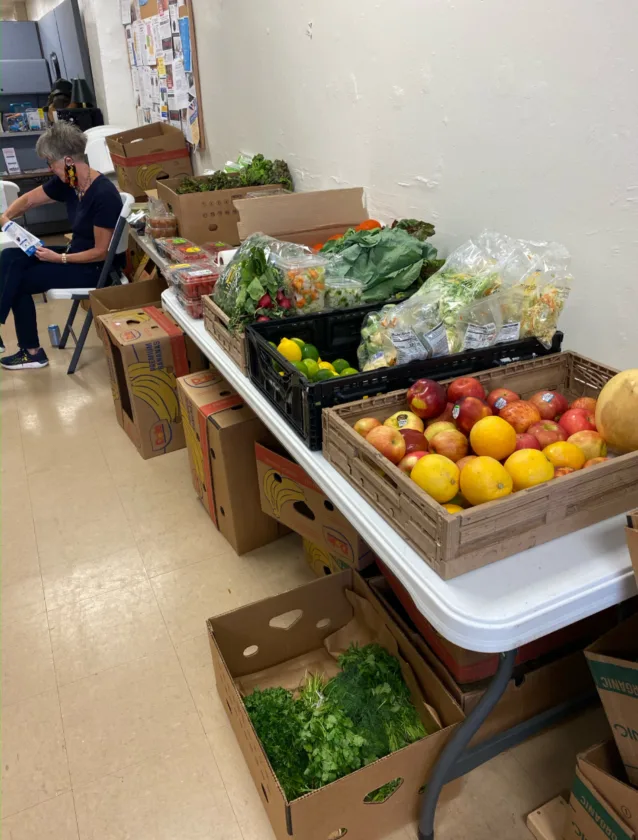
Fresh produce is one of many food options the Faith Centre Food Bank offers community members in need. PHOTO PROVIDED
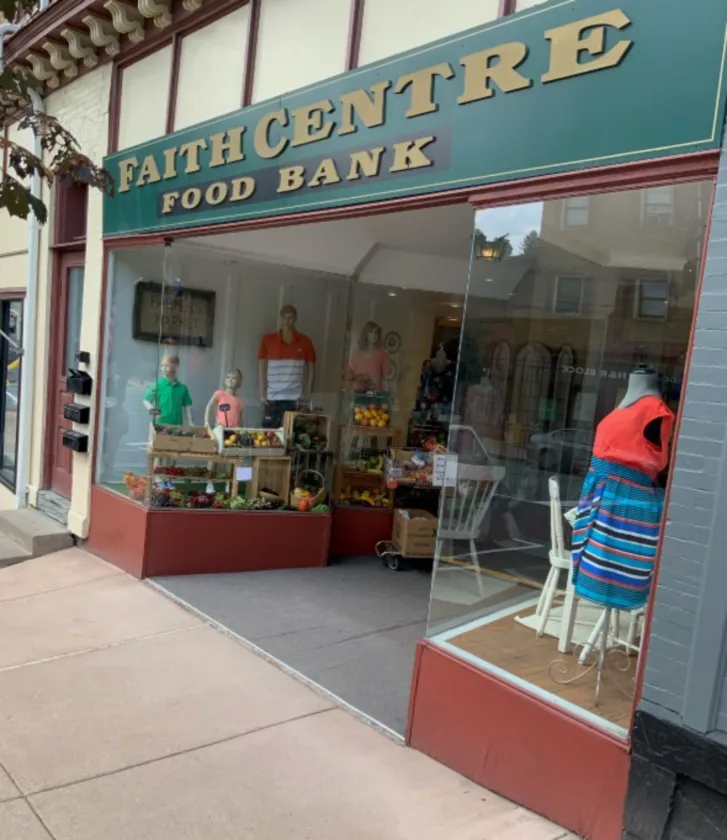
PHOTO PROVIDED The Faith Centre Food Bank’s physical location is pictured above in the borough.
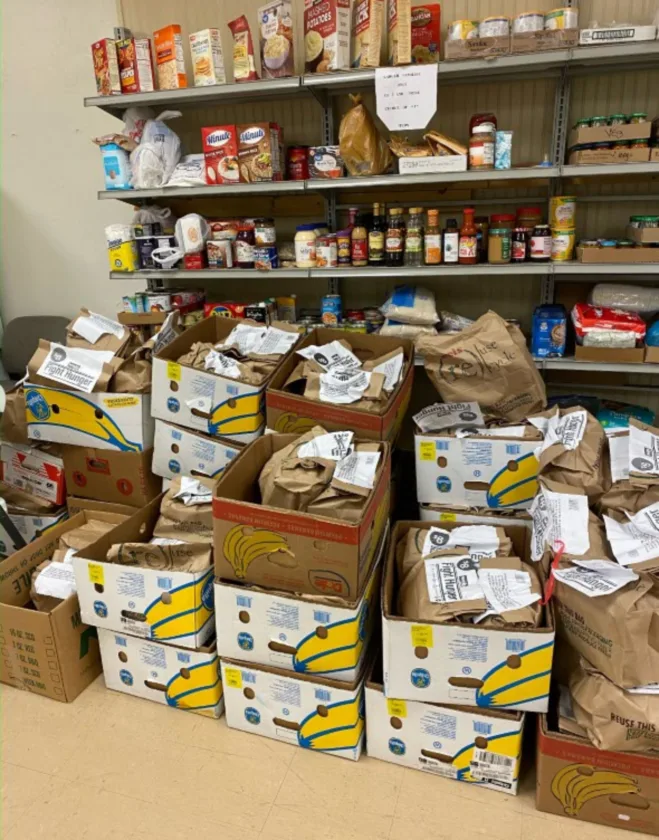
PHOTO PROVIDED Food that is prepared and ready for those in need is pictured at the Faith Centre Food Bank.
PHOTO PROVIDED Faith Centre Food Bank’s delivery van is pictured above.
Fresh produce is one of many food options the Faith Centre Food Bank offers community members in need. PHOTO PROVIDED
PHOTO PROVIDED The Faith Centre Food Bank’s physical location is pictured above in the borough.
PHOTO PROVIDED Food that is prepared and ready for those in need is pictured at the Faith Centre Food Bank.
Trending
BELLEFONTE -- At the Faith Centre Food Bank in Bellefonte, hunger is not limited to the holiday season.
Instead, the need for food assistance continues throughout the year, even when it is not Thanksgiving or Christmas.
"Every month for us is Hunger Awareness Month," said Summers, executive director of the Faith Centre Food Bank, a position she has held since 2007.
The Faith Centre is one of seven state-affiliated food banks in Centre County and serves the Greater Bellefonte area, including Milesburg and portions of Howard and Boggs Township. The total population within its service area is about 28,000, Summers said.
For residents who live in the service area, getting assistance does not require a referral. Clients can walk into the food bank, self-report their income and provide proof of their address.
"You don't need a referral. You just walk in," Summers said.
Clients can then leave with a selection of groceries. Summers estimated that the food provided is worth about $110, based on grocery prices before a previous increase in food costs. The food bank also offers pet food when needed.
But Summers said hunger in Bellefonte does not necessarily mean people are going without meals.
"There are so many places where you can get free food," Summers said, pointing to other churches, the YMCA and other community programs that distribute food.
Instead, Summers said, food insecurity can mean having limited access to nutritious foods.
"What I would say it looks like is not so much physical hunger, but lack of access to high quality nutritious foods," Summers said.
For someone living on a limited income, the difference can come down to what they can afford at the grocery store.
"The better quality foods are expensive," Summers said. "A lot of our food bank clients want to pick up something like ramen noodles that's inexpensive, and it can make you physically feel full, but it's not going to meet your nutritional needs."
The Faith Centre tries to address that gap by providing produce and protein along with other groceries. Summers said the food bank has been able to offer items such as salmon. It also provides milk, eggs and other foods.
The number of people using the food bank has changed over the years.
During the Great Recession, between 2009 and 2011, more than 800 people a month came through the food bank, Summers said. That number has since stabilized at about 400 people a month.
The demographics have shifted as well.
Summers said the food bank now sees fewer families with one or two children and more people who are receiving Social Security or disability benefits.
Summers said another misconception is that food banks are only for people experiencing extreme poverty.
"I do think there's sort of a stereotype that food banks are sort of sad places where only really, really poor people go, and you're just going to get this bag of canned food," Summers said. "And it's not at all like that."
Summers described the Faith Centre as "a very warm, inviting place" with a wide selection of food.
That welcoming environment can make a difference for people who may not expect to need assistance.
Summers recalled a young man in his late 20s who was earning $14 an hour while trying to support himself and his disabled mother, who was not receiving disability benefits.
Summers directed him to the food bank, where volunteers helped him gather groceries. When he explained that he did not have a car, one of the volunteers offered to drive him home with his groceries.
"Not only was he hooked up with food, my volunteers were kind enough to drive this young man home with his haul of groceries," Summers said.
The food bank's reliance on volunteers is also one of its current challenges. Summers said the organization has two part-time employees and relies heavily on volunteers.
Summers is looking for ways to add nutrition education to the food bank's programming, including the possibility of creating prepackaged meals with recipe cards and all of the ingredients needed to prepare them.
"Coming up with creative ways to look at improving our programming with limited staffing is the biggest challenge right now," Summers said.
During Hunger Action Awareness Month, Summers hopes people remember that food insecurity is not confined to the holiday season.
"People think about hunger and food banks and donating to charities mostly in November and December," Summers said.
But the need continues into the rest of the year.
"February, March, April, August, all those months still need the attention that's generally given to the holiday season," Summers said.
For those looking to help, Summers said there are several options. Monetary donations allow the food bank to purchase food at reduced prices. She said a dozen eggs, for example, could cost the organization 59 cents.
Community members can also organize small food drives at workplaces, organizations or other groups.
The goal, Summers said, is to keep the community thinking about hunger long after the holiday decorations come down.
Because at the Faith Centre, hunger does not take a month off.