
Floral Wonders: A closer look at Cape Henlopen State Park’s blooms
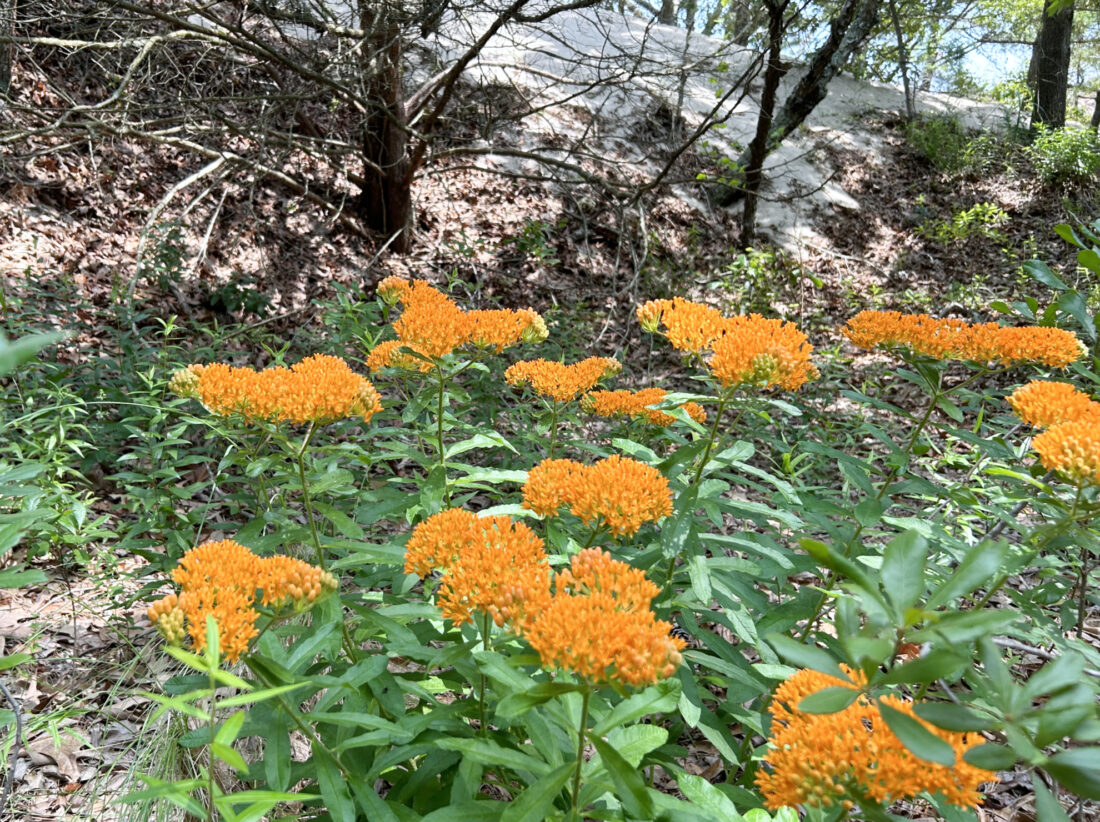
PHOTO BY TOM BUTZLER Butterfly weed not only attracts pollinators but helps in stabilizing the sandy soils with Cape Henlopen State Park.
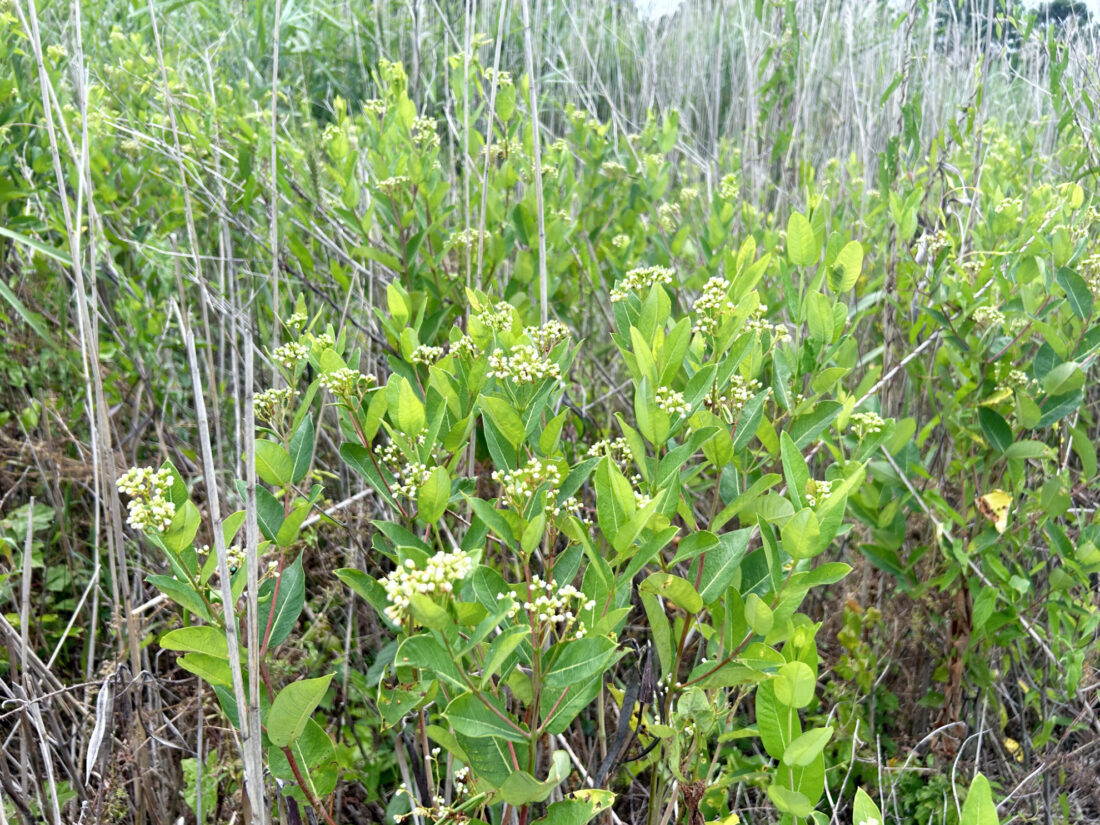
PHOTO BY TOM BUTZLER A flowering stand of hemp dogbane within Cape Henlopen State Park provides nectar resources for a wide range of pollinators.
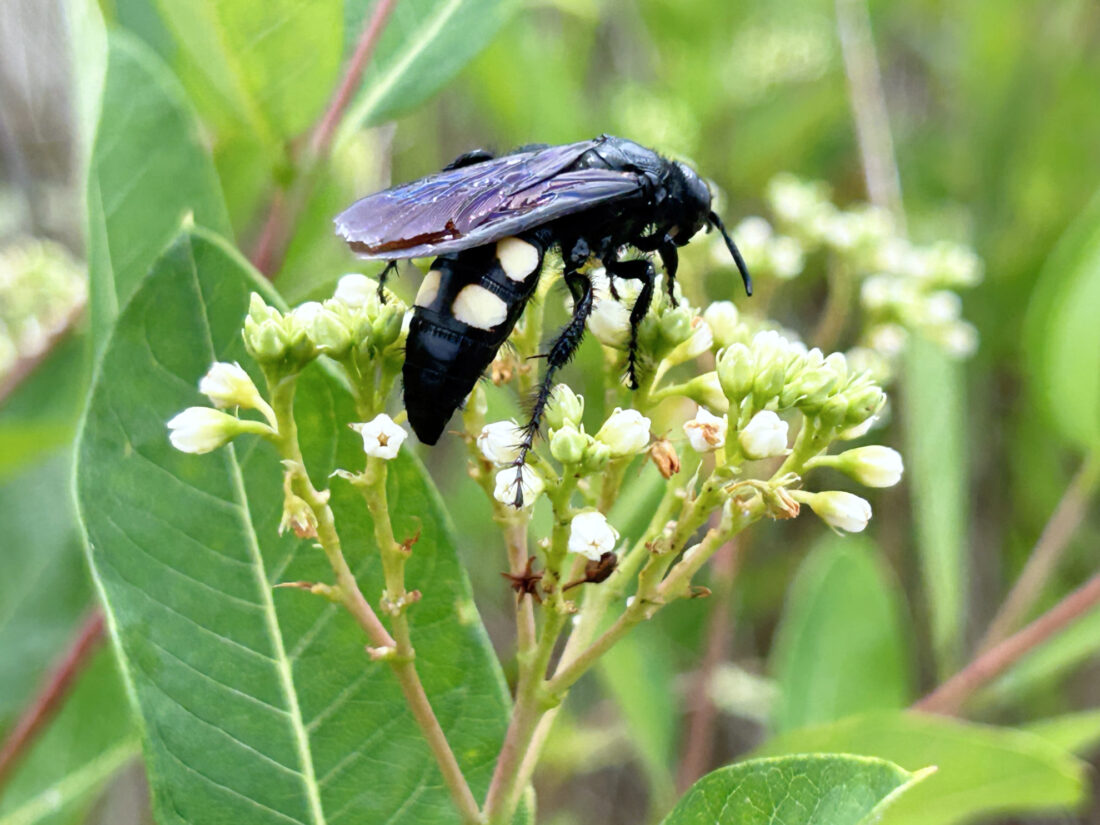
PHOTO BY TOM BUTZLER Hemp dogbane flowers provide a valuable nectar source for this four-spotted scoliid wasp.
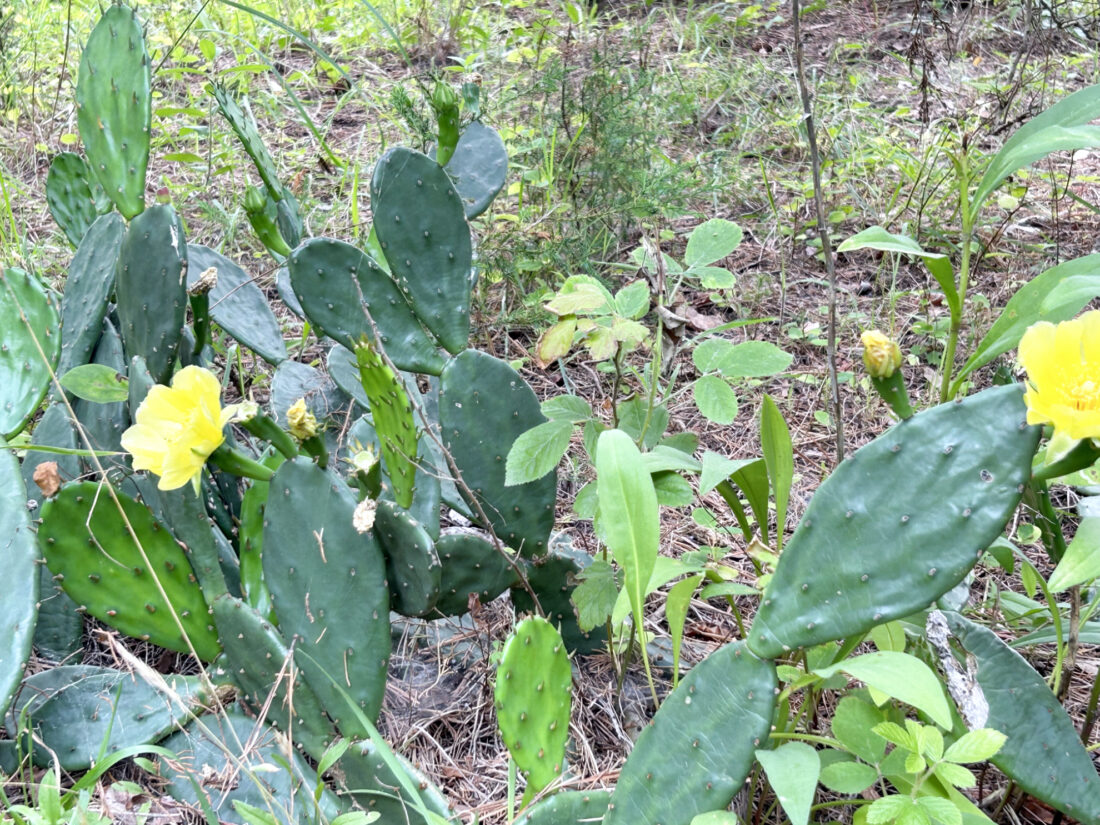
PHOTO BY TOM BUTZLER Paddle-like green stems serve as a nice backdrop for the yellow flower on the prickly pear.
PHOTO BY TOM BUTZLER Butterfly weed not only attracts pollinators but helps in stabilizing the sandy soils with Cape Henlopen State Park.
PHOTO BY TOM BUTZLER A flowering stand of hemp dogbane within Cape Henlopen State Park provides nectar resources for a wide range of pollinators.
PHOTO BY TOM BUTZLER Hemp dogbane flowers provide a valuable nectar source for this four-spotted scoliid wasp.
PHOTO BY TOM BUTZLER Paddle-like green stems serve as a nice backdrop for the yellow flower on the prickly pear.
Trending
In my previous article, I described some of the plant life observed while hiking the Great Dune in Cape Henlopen State Park. Walking is great fun and exercise, but its limitation is the amount of area that can be covered. With the park encompassing more than 5,000 acres and just a limited two-day window for exploration, I sought a means to navigate more efficiently. This is where a bicycle and the park’s dedicated bike trails came in handy, ensuring a faster and more engaging experience.
The former Penn Central Rail Line underwent restoration to give rise to the Junction & Breakwater Trail, meandering through the expanse of the park.
In addition, they added a bike loop around a maritime forest. This mode of transportation allowed me to bike great distances and the flexibility to dismount whenever I wished to explore the local plant life.
As with most places during the summer on the East Coast, the predominant color in the landscape is green. Leaves and needles capture the sunlight to create carbohydrates that are needed for plant function and winter stores. It is the reproductive function of these plants -- their flowers -- that stand out against the green hues. Many times, I jumped off my bike to see what was in bloom.
Probably the most exciting plant for a central Pennsylvanian to observe was the prickly pear. While there are infrequent sightings of this plant in certain pockets of eastern Pa., the park’s conditions are ideal for the prickly pear. For optimal growth, the prickly pear needs well-drained soil, abundant sunlight and moderately mild winter temperatures.
Paddle-like green stems are covered with clusters of small spines. From the spiky areas emerge yellow flowers. Once pollinated, reddish fruits (the "pear") emerge which can be eaten by wildlife and humans.
Hemp dogbane presents some challenges in Pennsylvania agriculture, stemming from its dual nature of potential livestock toxicity and weed proliferation. The plant’s leaves, stems and roots, whether fresh or dried, possess poisonous attributes. This toxicity poses risks to livestock health and can lead to reduced production efficiency. Furthermore, hemp dogbane’s weed presence extends beyond livestock concerns, proving troublesome within various agronomic crops, notably within no-till farming systems.
Despite these concerns, in specific contexts, hemp dogbane plays a positive role.
Found in parts of Cape Henlopen State Park, this native North American perennial plays a vital role for pollinators. Characterized by its slender stems and lance-shaped leaves, it can reach heights of two to four feet. Its dainty, pale pink to white flowers, arranged in clusters, serve as a valuable nectar source for diverse pollinators, encompassing bees, butterflies and other insects.
But nothing stood out more on my ride than the bright orange flowers of butterfly weed. As a member of the milkweed family, it holds significant ecological importance as a host plant for monarch butterflies and a nectar source for various pollinators. Its upright stems, standing at around one to two feet tall, are adorned with clusters of these striking flowers, enough to stop a bike in its tracks.
One of the notable aspects of butterfly weed is its adaptation to sandy soils. Butterfly weed’s deep taproot enables it to access water and nutrients from deeper soil layers, allowing it to endure drought-like conditions. This also plays a role in stabilizing sandy soils.
A leisurely bike ride in Cape Henlopen State Park affords visitors the chance to explore the park’s many flowering plants. A map of the bike trails within the park can be found at destateparks.com/wwwroot/maps/cape-henlopen/CapeHenlopenMap.pdf
-- -- -- --
Tom Butzler is a horticulture educator with the Pennsylvania State University Cooperative Extension Service and may be reached at 570-726-0022.