
A horticultural journey along the Des Moines River
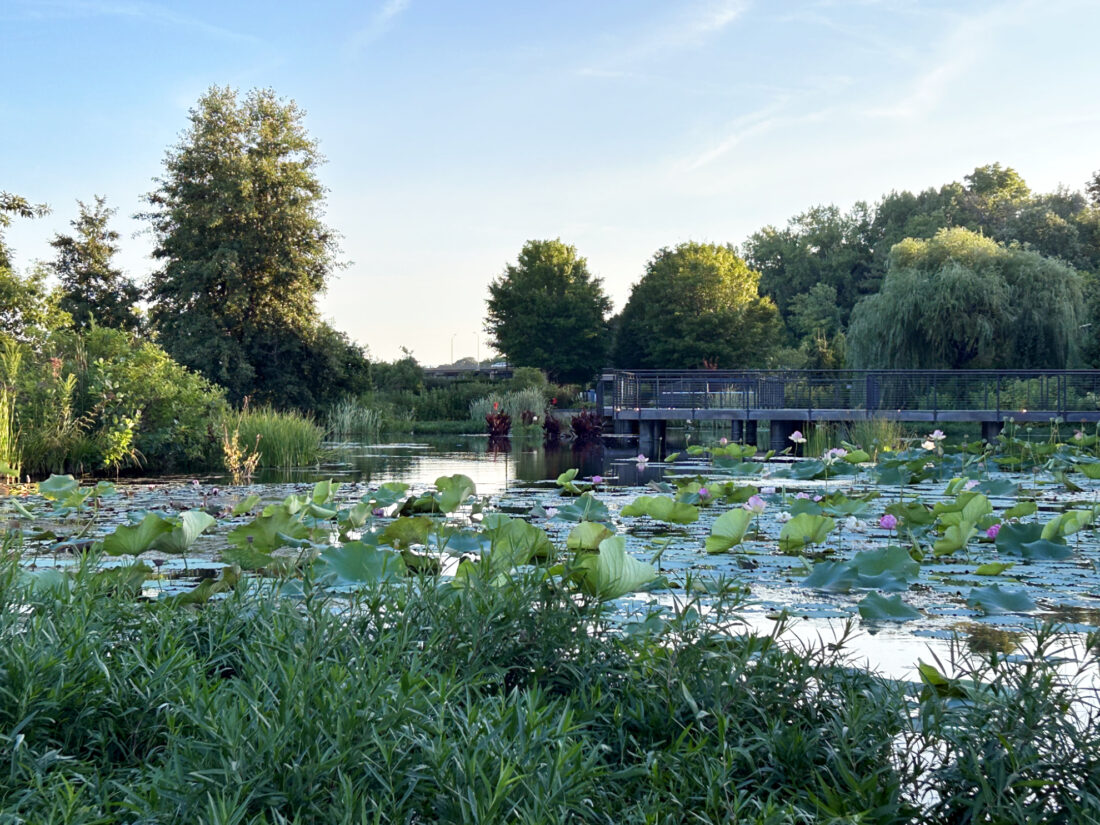
TOM BUTZLER/FOR THE EXPRESS The half-acre water garden at the Greater Des Moines Botanical Garden contains numerous lilies, irises, and other perennials.
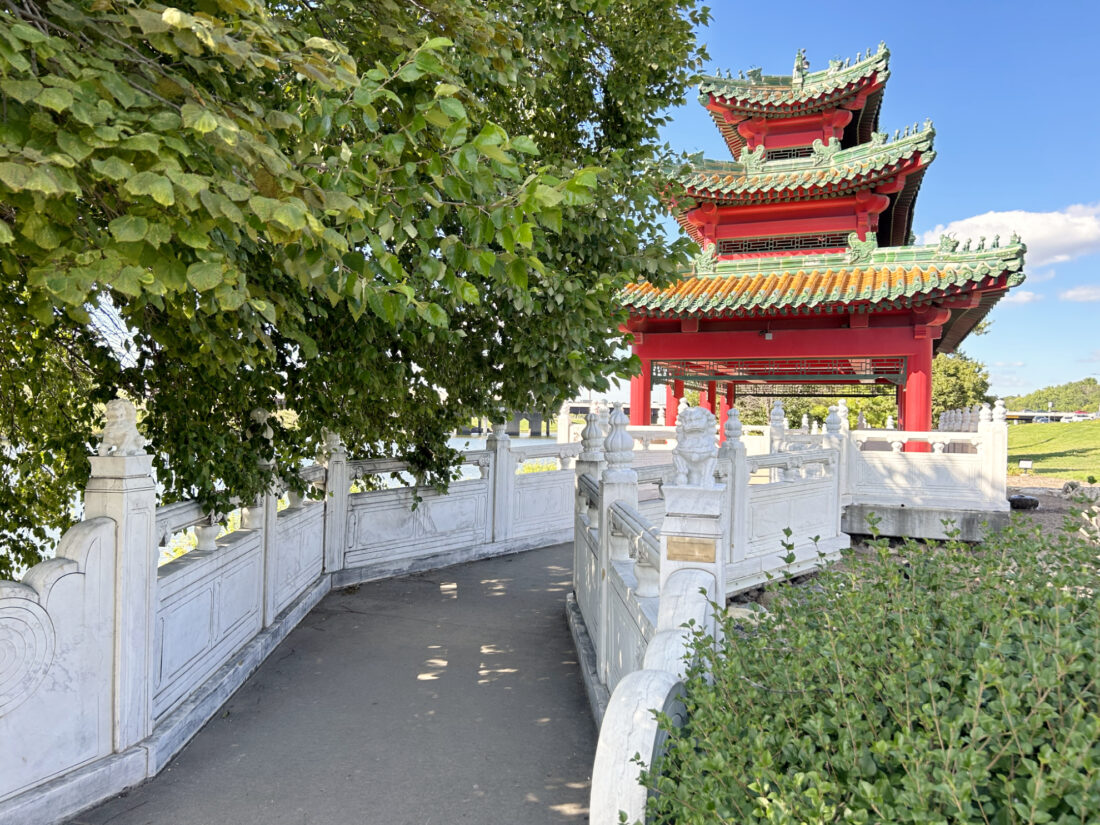
TOM BUTZLER/FOR THE EXPRESS A Chinese pavilion greets trail walkers as they enter the Robert D. Ray Asian Garden.
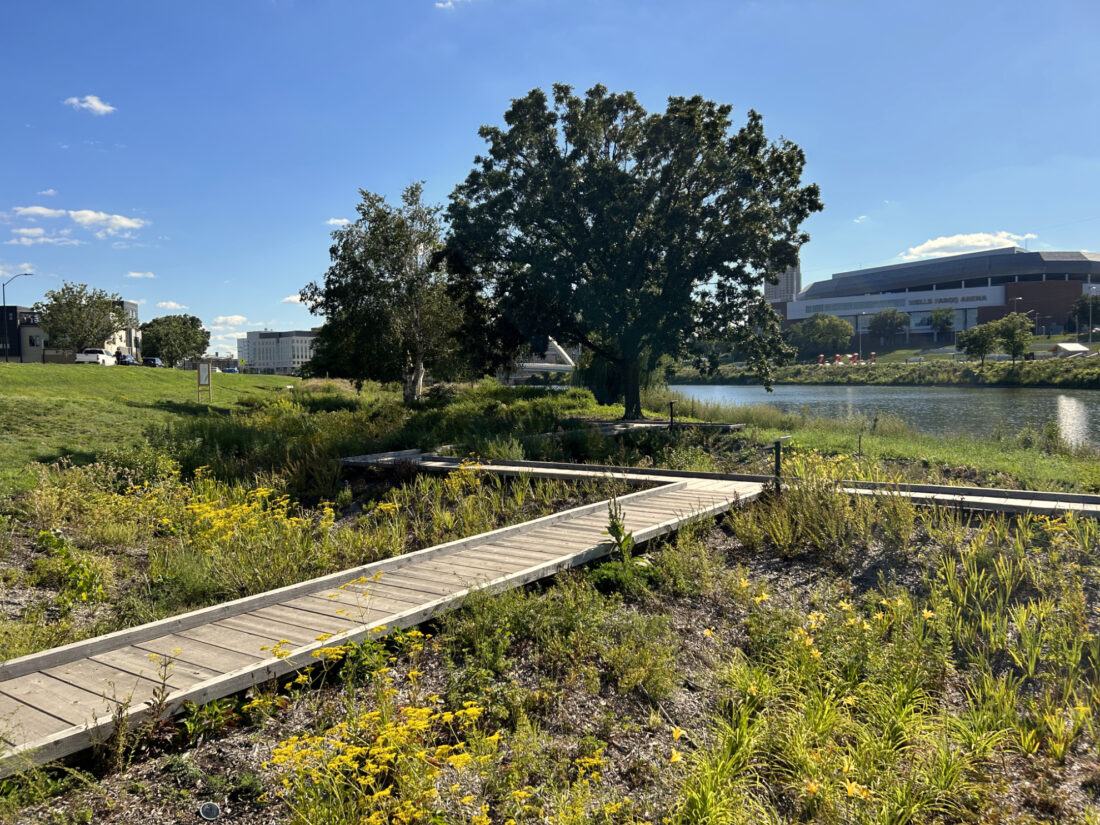
TOM BUTZLER/FOR THE EXPRESS A wood-planked boardwalk zig-zags through pockets of wetland plantings within the Robert D. Ray Asian Garden.
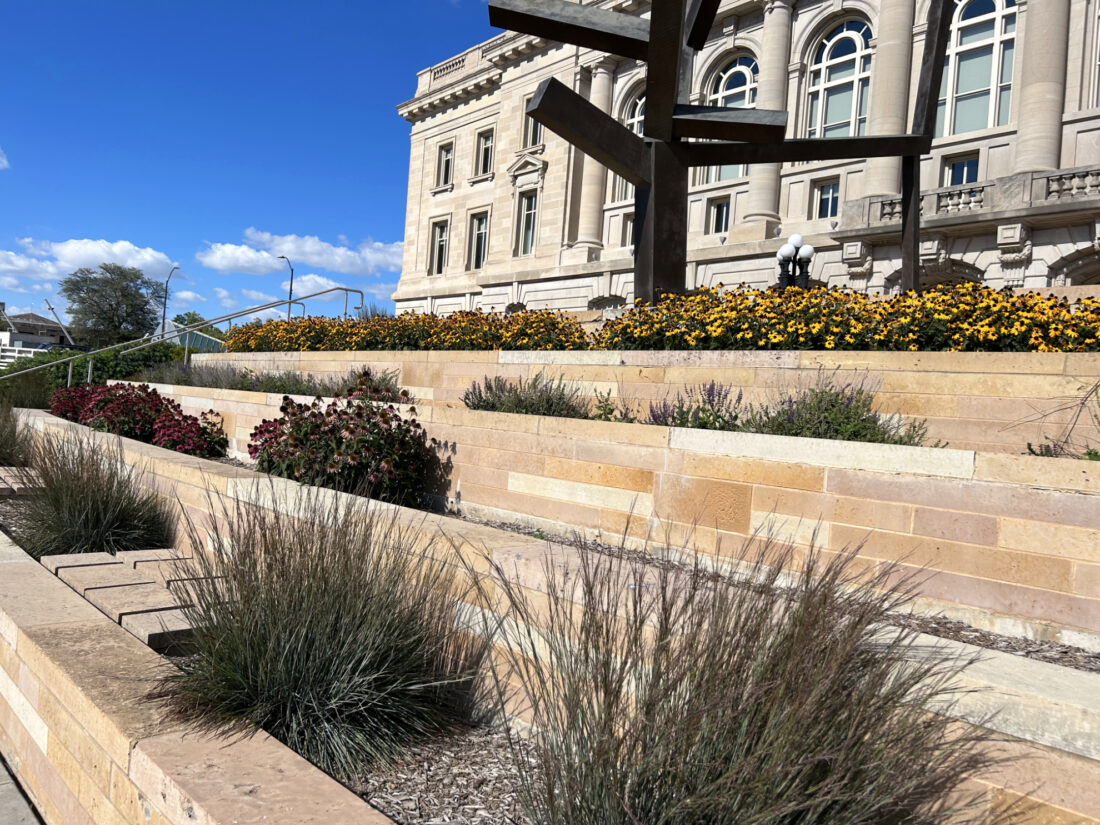
TOM BUTZLER/FOR THE EXPRESS Terraced planter walls constitute a portion of Des Moines Long Look Park. The sculpture “Untitled” stands in the background.
TOM BUTZLER/FOR THE EXPRESS The half-acre water garden at the Greater Des Moines Botanical Garden contains numerous lilies, irises, and other perennials.
TOM BUTZLER/FOR THE EXPRESS A Chinese pavilion greets trail walkers as they enter the Robert D. Ray Asian Garden.
TOM BUTZLER/FOR THE EXPRESS A wood-planked boardwalk zig-zags through pockets of wetland plantings within the Robert D. Ray Asian Garden.
TOM BUTZLER/FOR THE EXPRESS Terraced planter walls constitute a portion of Des Moines Long Look Park. The sculpture “Untitled” stands in the background.
Trending
In my previous article, I described the Principal Riverwalk in Des Moines, Iowa, while I attended the National Association of County Agricultural Agents (NACAA) annual meeting this past summer. During that walk, I had a chance to not only view the infrastructure and history along the Des Moines River but also stroll around the various horticultural offerings.
Much of the plant life along the river is expanses of turf, which plays a role in preventing soil erosion and provides inviting spaces for visitors to relax and enjoy the surroundings. But there were pockets of ornamental plantings that broke up stands of grass and provided a visually appealing contrast, adding some diversity and aesthetics to the riverside landscape.
Behind City Hall, with a scenic view of the river and adjacent to the Principal Riverwalk on the east side, Long Look Garden’s design descends towards the water. With terraced planter walls, landscaped beds, and a grand staircase, the garden provides a setting for the sculpture “Untitled.” The park, located right in the heart of downtown Des Moines, is a beautiful venue widely listed on many event planning sites as an excellent spot for an outdoor wedding.
Continuing north from Long Look Gardens, the trail leads to an unexpected site in central Iowa--an Asian garden. According to the Greater Des Moines Botanical Garden (which maintains the two-acre riverside garden), the Robert D. Ray Asian Garden celebrates the diversity and contributions of Asian Americans in Iowa while honoring the legacy of Governor Robert D. Ray (1928 - 2018). Governor Ray’s leadership included providing a haven for Vietnamese “Boat People,” aiding starving Cambodians, and resettling the Tai Dam of Laos in Iowa. His response to refugee challenges in the 1970s showcased Iowa’s leadership, saving numerous lives in Asia. Additionally, Governor Ray played a crucial role in building strong diplomatic ties with China, Japan, and other Asian nations.
The garden, designed to slow one down and encourage contemplation, features a 37-foot-tall Chinese pavilion and a zig-zag boardwalk winding through a planting area designed with Iowa’s oxbow wetland areas in mind, acknowledging the seasonal inundations. In the Character Garden, a circle of six granite boulders inscribed with Chinese characters represents enduring moral values like trustworthiness, caring, respect, fairness, citizenship, and responsibility.
The Riverwalk trail ends at this point and transitions into the John Pat Dorrian Trail, leading walkers to the 17-acre Greater Des Moines Botanical Garden--an absolute must see for plant enthusiasts. With diverse plant collections featuring bonsais, orchids, and coleus, along with around 15 distinct garden spaces, there’s something for every interest. Explore the Hillside Garden, adorned with original trees and native plants like witch hazel, yellowwood, and redbud, or stroll through the Lauridsen Savanna, inspired by Iowa’s rolling landscape, showcasing a variety of grasses and sedges. In case of inclement weather, the conservatory offers a retreat to appreciate tropical plantings in the enclosed setting.
Attending the NACAA annual meeting serves a key purpose: professional development. While a portion involves indoor activities like presentations, a dedicated day is set aside for on-site tours of agricultural operations. In the upcoming segment, we’ll delve into Iowa horticulture.
-- -- -- --
Tom Butzler is a horticulture educator with the Pennsylvania State University Cooperative Extension Service and may be reached at 570-726-0022.