
Flowers of Madison County
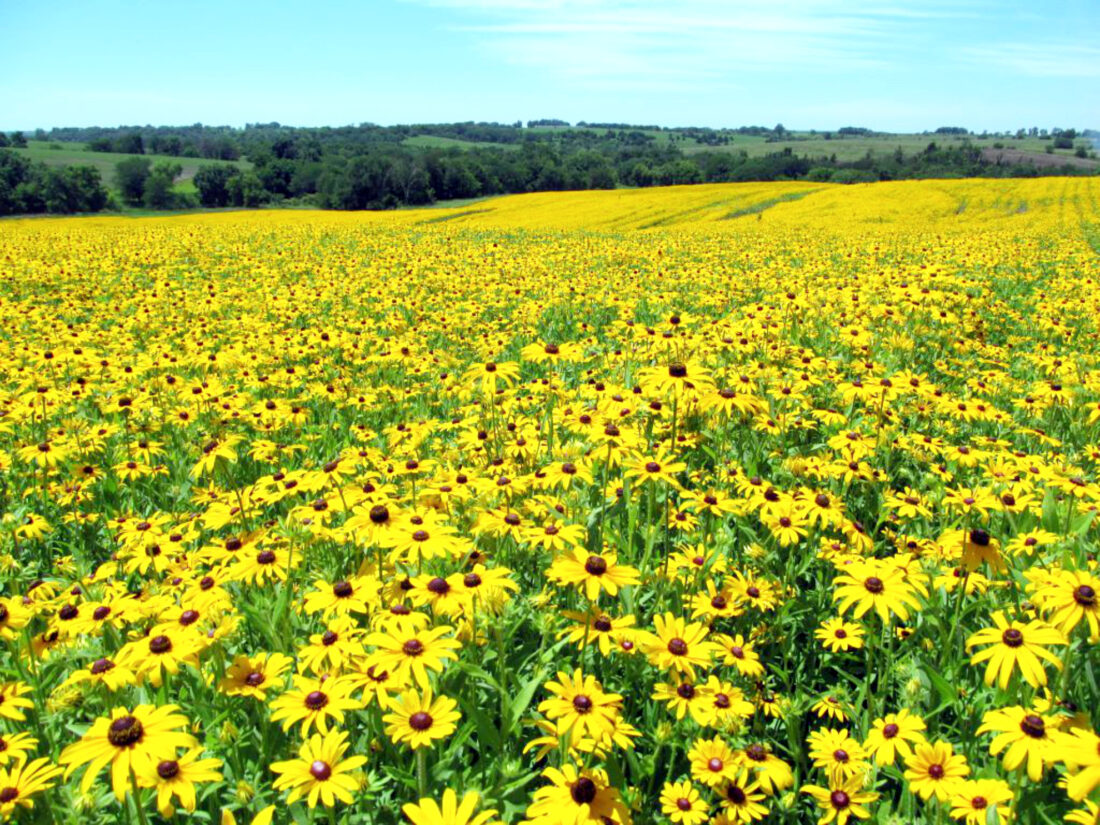
PHOTO COURTESY OF ALLENDAN FARM Fields of black-eyed Susan at the Allendan Seed Company farm are pictured above.
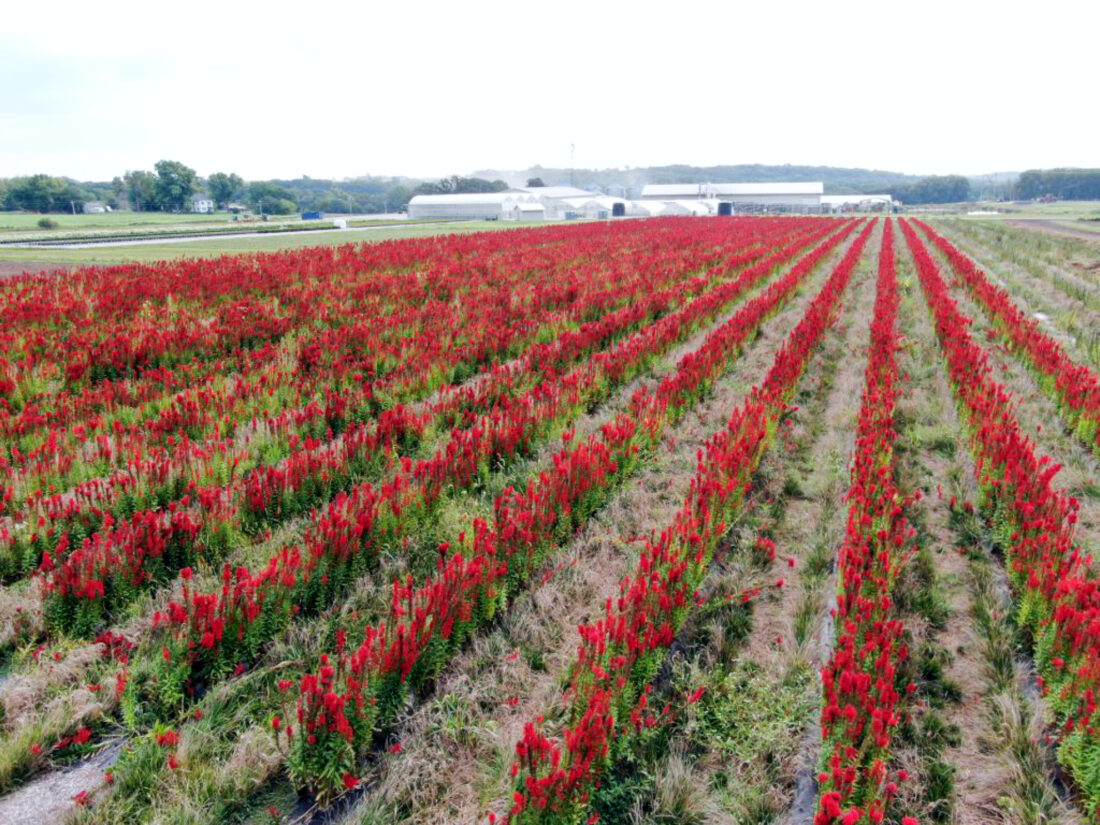
PHOTO COURTESY OF ALLENDAN FARM Cardinal flowers are pictured in the foreground with the Allendan Seed Company facilities in the background.
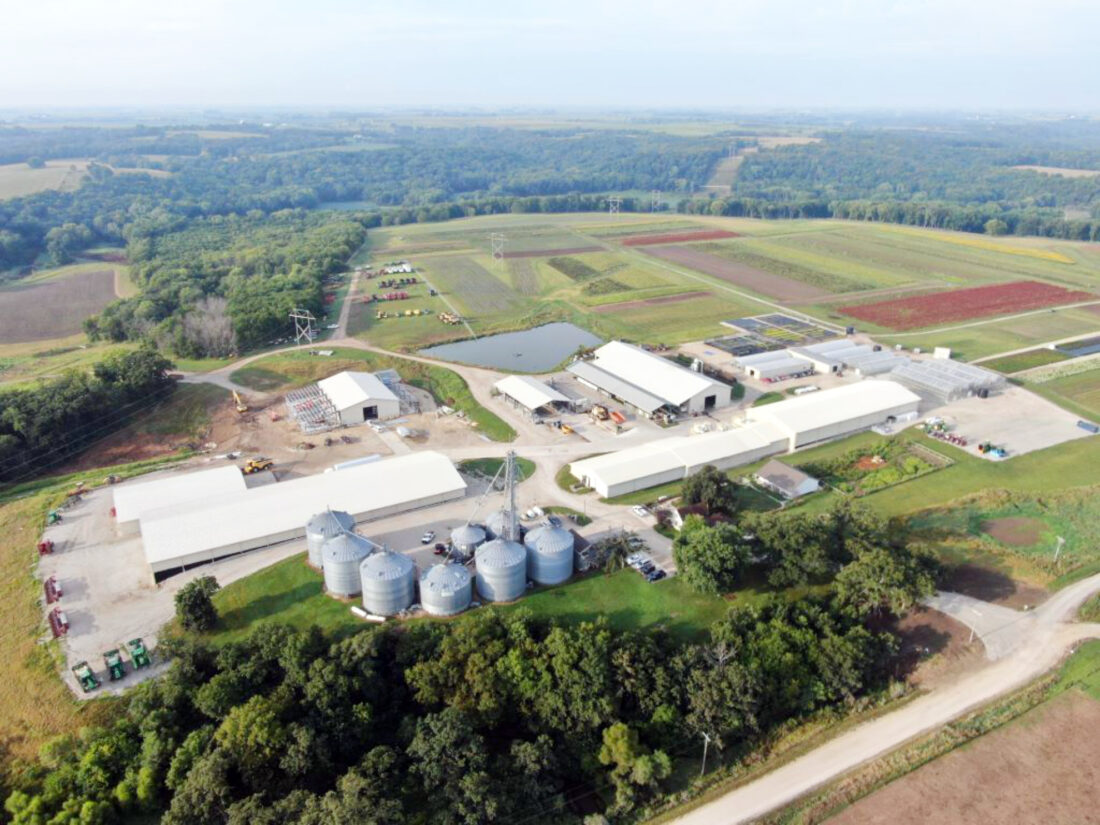
TOM BUTZLER/FOR THE EXPRESS Flower fields can be seen in the background in this photo of the Allendan Seed Company Farm.
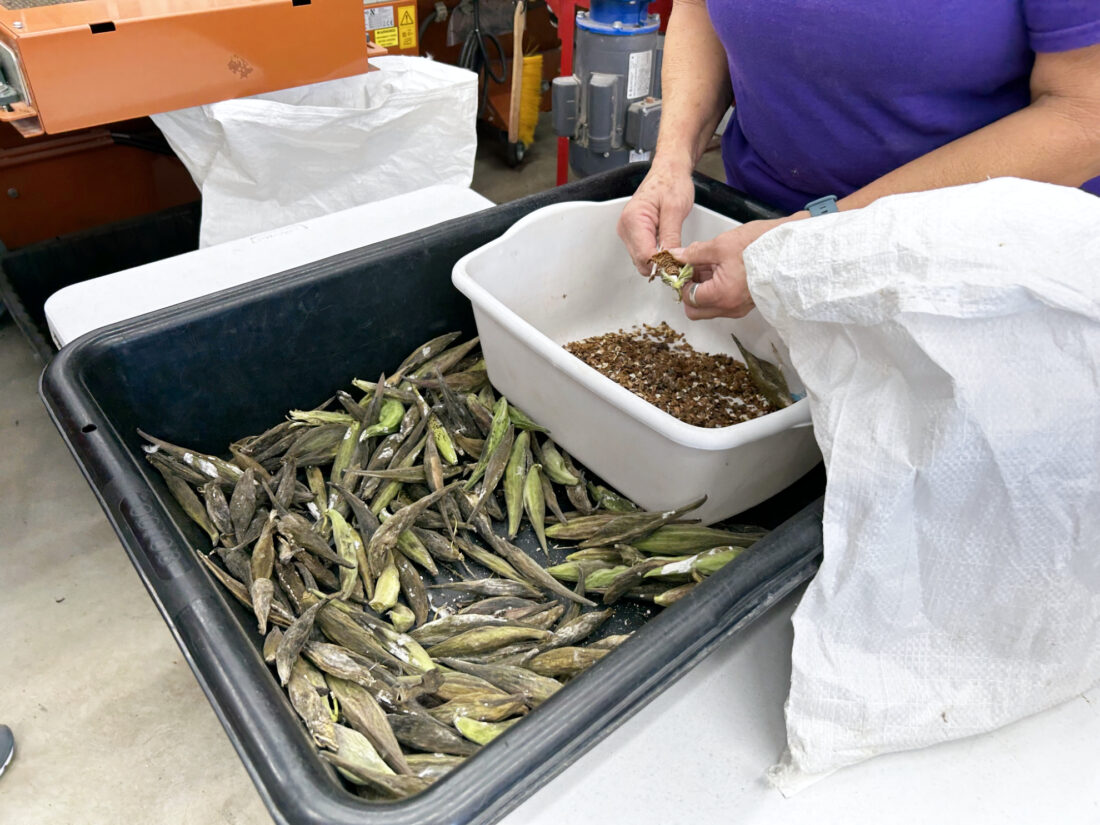
TOM BUTZLER/FOR THE EXPRESS Milkweed seed is extracted from a seed pod.
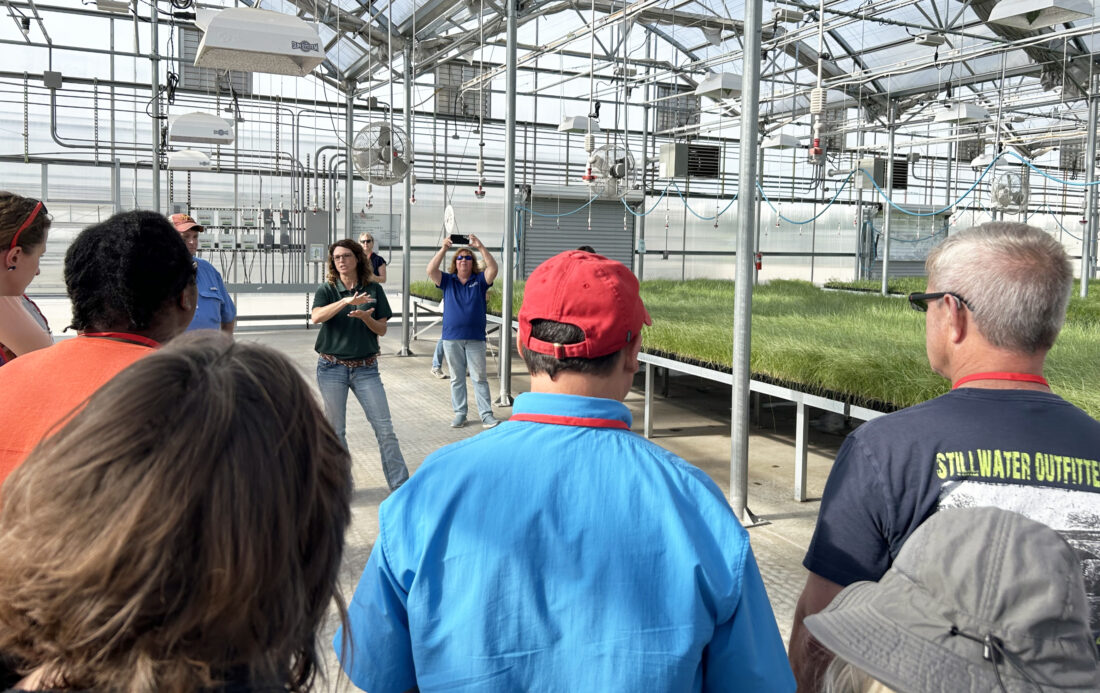
TOM BUTZLER/FOR THE EXPRESS Kelly Allen Hayes guides a group through the Allendan Seed Company greenhouse production area.
PHOTO COURTESY OF ALLENDAN FARM Fields of black-eyed Susan at the Allendan Seed Company farm are pictured above.
PHOTO COURTESY OF ALLENDAN FARM Cardinal flowers are pictured in the foreground with the Allendan Seed Company facilities in the background.
TOM BUTZLER/FOR THE EXPRESS Flower fields can be seen in the background in this photo of the Allendan Seed Company Farm.
TOM BUTZLER/FOR THE EXPRESS Milkweed seed is extracted from a seed pod.
TOM BUTZLER/FOR THE EXPRESS Kelly Allen Hayes guides a group through the Allendan Seed Company greenhouse production area.
Trending
Ongoing professional development in agriculture is crucial as it creates new skill sets and keeps me abreast of industry trends. The National Association of County Agricultural Agents offers multiple opportunities for enhancing my proficiency in the field, with their annual meeting being the most enriching. This gathering fosters exchanges with extension educators nationwide, providing a platform for sharing new program ideas. The tours within the agricultural community constitute the high point of the conference. This year, I attended the meeting in Des Moines, Iowa, gaining valuable insights through on-site visits and discussions with experts in the field.
Iowa has a large agricultural sector, with farm cash receipts trailing only behind California (while Pennsylvania is ranked 20th). The state clinches the top spot in numerous categories, including egg (with PA ranked 4th), corn (PA at 16th), and hog production. Although it might not be immediately apparent when driving through the Iowa corn fields, hidden within the landscape are unique horticultural operations that we had the chance to explore.
Our first stop of the day was in the heart of Madison County to the Allendan Seed Company. Founder Dan Allen graduated from college several decades ago, and following in the footsteps of other agriculturally inclined young Iowan farmers, he started his career by cultivating corn. However, his fascination with native plants during college eventually ignited a passion. The demand for native plants to regenerate lands and restore ecosystems was beginning, and Dan slowly grew with it by starting to produce seeds from native prairie plants. The company now has over 250 species of native grass and wildflowers on over 6000 acres.
The farm is a family farm, with all four of the owner’s children actively involved in various capacities. Kelly Allen Hayes, his daughter, took charge of guiding our group through their production facilities. We spent much time in the two-acre nursery and greenhouse production area.
Some flower fields designated for seed production follow a process that diverges from the conventional method of scattering or drilling seeds directly into the area. Instead, the process initiates within a greenhouse. Placing seeds in plug trays, they nurture the resulting plants until they reach the stage for transplanting into the field.
Although the plugs find buyers in government agencies, among landscapers, and now even with the general public, the farm predominantly consumes the largest share of these plugs -- about two million.
Following our visit to the greenhouse facility, our attention shifted to the postharvest seed processing operation. This phase involves both seed drying and packaging. However, specific seed orders are more complex and demand a different packaging approach. An illustrative example is the songbird mix, which encompasses two grass species and 41 varieties of broadleaves.
It’s important to mention that this rural county gained widespread recognition through the book and movie, “Bridges of Madison County.” The next column will explore the picturesque bridges, discover art crafted from deceased ash trees and delve into a unique barbed wire collection.