
Vineyards and end zone views
Trending
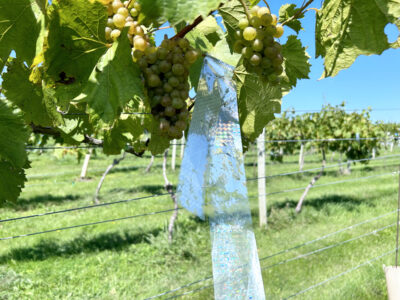
PHOTO BY TOM BUTZLER
Placing flashy tape strips around grape clusters deters bird visits.
Touring can be an energy-draining experience for me. The physical demands of boarding and disembarking buses, navigating different venues on foot and standing for extended periods are tiring. Still, the mental exertion of listening takes the most significant toll. Active listening requires a lot of mental and physiological energy, as it involves a host of bodily activities to focus on another person and understand their message.
However, the organizers of this particular tour at the National Association of County Agricultural Agents (NACAA) annual meeting had a great plan for the end-of-day activities. Moving from the Madison County Historical Complex, our next stop offered a slower pace: Madison County Winery. Here, we had a relaxed atmosphere, where we could stroll through a vineyard and take a seat to taste the wines of Iowa.
Traveling through the Iowa countryside, it’s evident that corn reigns supreme, covering over 13 million acres. Following closely are soybeans, with over 9 million acres under cultivation. Amidst these row crops, viticulture is emerging as a niche in the state. According to the Iowa Wine Growers Association, approximately 100 wineries and nearly 300 vineyards span 1,250 acres. To put it in perspective, compare this to Pennsylvania, with more than 300 wineries and 14,000 acres of grape cultivation.
Like the Iowa grape and wine industry, Madison County Winery is still in its early stages. In 2001, five acres of vines were planted by owner Doug Bakker, leading to the first commercial harvest in 2005. The winery responded to the growing interest in agriculture by venturing into agritourism, adding a tasting room and banquet facility in 2011.
During our visit, we gained insights into production challenges, such as varietal selection. Being a colder climate than more prominent grape growing regions, Iowa growers lean toward hybrids or cold-hardy grapes.
The group also got some insight into bird damage. According to Michigan State, crop losses can reach 95% without effective bird control, particularly impacting red varieties (60% for white varieties). Madison County Winery employs practical solutions, such as deploying flashy tape strips that reflect sunlight and move in the wind, deterring bird visits.
And, of course, we all had the chance to taste some of the wines produced on the grounds while we learned a bit more about the history and efforts of the operation. Over time, I have migrated away from the semi-sweets to enjoy more wines on the dry side. I enjoyed their Vignoles.
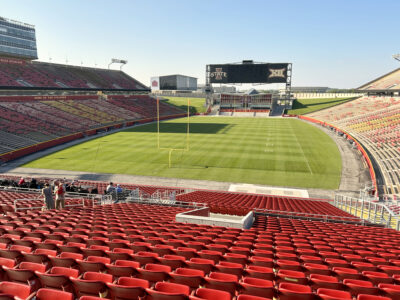
After tasting Iowan wines, our tour of Iowa horticulture concluded, and we headed to Iowa State’s Jack Trice Stadium for the Farewell Dinner, officially wrapping up the annual meeting. Grabbing dinner, our seating was in the endzone, overlooking the expansive green football field.The natural grass had been replaced just last year after over a decade of wear and tear, prompting the need for new turf.
While many institutions typically collaborate with commercial sod farms (like Iowa did in 2008 and Penn State’s Beaver Stadium, which sources turf from New Jersey), Iowa State opted for a more hands-on approach, replacing the field with their home-grown sod. The University designated six acres at their Horticulture Research Station, ironically, on land that used to grow another kind of grass - corn. They created a replica of the stadium’s base, bringing in 120 dump trucks of special sand to match the 4-inch base layer and seeding it with three different varieties of Kentucky bluegrass. The project involved the contributions of faculty, staff and undergraduates.
The NACAA annual meeting in Des Moines was a great time and location, offering insights into industry trends and creating exchanges with educators nationwide. In addition, the tours throughout Iowa’s countryside provided a glimpse into mid-west horticulture.
-- -- -- --
Tom Butzler is a horticulture educator with the Pennsylvania State University Cooperative Extension Service and may be reached at 570-726-0022.