
Shining the light of Christ on others
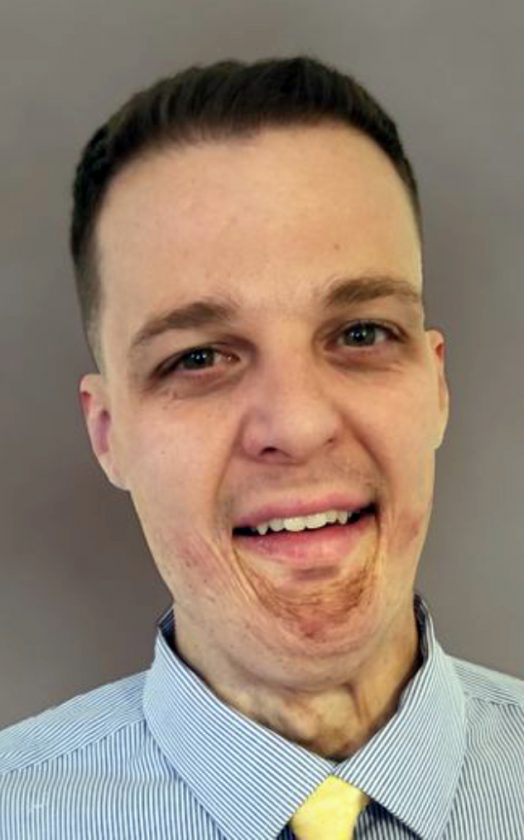
Aaron Batdorf
Imagine you are taking a trip to the eye doctor for your annual checkup. It is routine but you have been having some trouble reading, so you ask about glasses. And you get the routine exam with the questions you are never sure how to answer because they do not look any different: which is better, one or two?
But eventually, the letters get clearer and clearer and you are, once again, able to read — even the small print in your Bible.
You see, vision is such a crucial part of our everyday lives that it can be taken for granted until it is taken away. But on the flip side, there is rejoicing when blindness turns to sight.
In John 9:1-7 Jesus heals a man born blind, and by so doing, shows us something about who he is. There are seven “I am” statements in John’s gospel and each is meant to reveal that Jesus is in fact the promised one who came to wear our sin and bear our shame.
Jesus performs the miracle of restoring sight to a man born blind and contrasts dark and light causing the disciples to ask the question, “who sinned and caused his blindness?” Blindness is ultimate darkness.
In the ancient world, and today, darkness pictures evil. Therefore, the disciples ask their question, even if they are wrong to do so. They connect his blindness (ultimate darkness) with sin (ultimate evil.)
But Jesus responds patiently to their foolish question and teaches us something important — there is often more going on than of what we are aware. Jesus responds that this man was born blind to display the work of God. While sin brought brokenness into the world, this man’s brokenness was not punishment for sin. The disciples wrongly seek someone to blame instead of noticing his brokenness and seeking help.
Suffering is part of the human experience, but there is more to it than pain as pain is meant to point us to Jesus, the restorer. By saying, I am the light of the world, Jesus claims to be God (cf. Ex 3:15). The one who shone light into darkness heals a man born blind to point to a greater reality. Jesus says he is the light of the world and connects us to creation when God spoke light into being.
It was Jesus, who is the word of God, through whom God created as Colossians 1:16 says. The picture Jesus paints in bringing sight to blindness and light to darkness is one that shows his power over evil. Jesus rules and reigns and can bring healing to what is broken because he is God.
Just as Jesus shows himself to be the one who heals the brokenness brought into the world by sin, he shows himself to be the one who gives spiritual life.
Later in John, we see the man formerly known as blind come to a greater understanding of who Jesus is while the religious leaders come to a deeper rejection of who Jesus is. His “I am” statement and claim offends them so much that they are blinded to the reality of who Jesus is. But the man born blind now sees physically and spiritually. That is, his physical sight is restored but he is also able to see rightly who Jesus is — the Savior of the world.
Jesus frees the man born blind from physical and spiritual darkness and shows he has the power to do so because he is the long-expected Messiah (Isaiah 29:18)! The light of Christ continues to shine today through the ministry of the Holy Spirit and the work of the church empowered by the Spirit.
Christians are called to point others to the light of the world, seeking and praying that he would remove their spiritual blindness so that they can see Jesus for who he is. Jesus says he is the light of the world, he proves it with a miracle and shows that he gives sight to the blind.
Jesus is God — I am who I am — and the long-expected Messiah who gives sight to the blind. May we faithfully tell others of his work as we shine the light of Christ in this dark world.
— — — —
Finding Faith is written by area pastors. This week’s column comes from Pastor Aaron Batdorf, Associate Pastor of Discipleship at Big Woods Bible Church, Lock Haven.
Religion
Local church briefs
Bible Study LOCK HAVEN — God’s Eternal Life Church, 30 Woodward Ave., Lock Haven, is holding weekly Bible ...
Young adults turn to Quakers’ silent worship to offset — and cope with — a noisy world
Quakers at a glance: A look at the faith’s beliefs and the tradition of activism and silent worship
Local Church Briefs
First Responders celebration SWISSDALE — The Swissdale United Methodist Church will celebrate First Responders ...
Finding Faith: O beautiful for spacious skies
“Does a person’s right to believe anything mean that anything they believe is right? Granting someone the right ...
Local church briefs
Community car wash to support families in need LOCK HAVEN — Holy Spirit Parish will host a fundraiser for ...