
Adventure awaits at Little Pine State Park
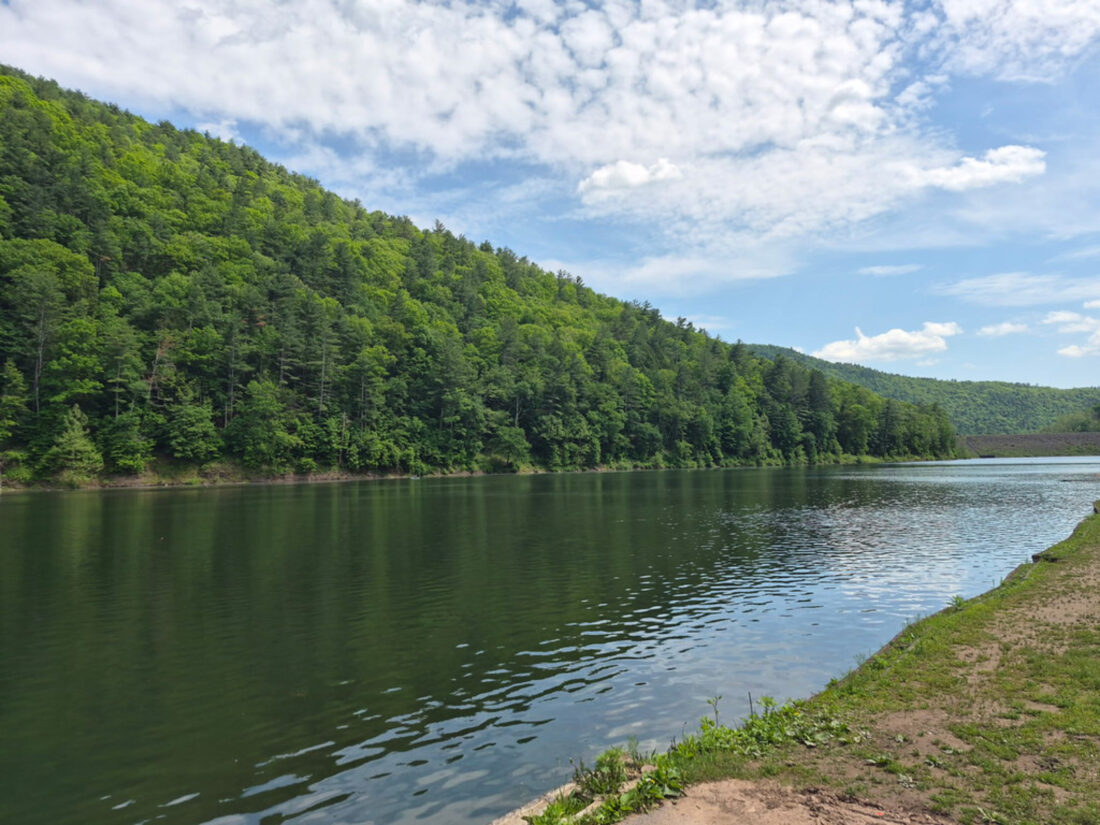
HUNTER SMITH/THE EXPRESS The 45-acre Little Pine Lake, a popular destination for swimmers, boaters and fisherman on Wednesday, May 27. At the far right is Little Pine Dam, which in the 1950s created the artificial lake by impounding Little Pine Creek.
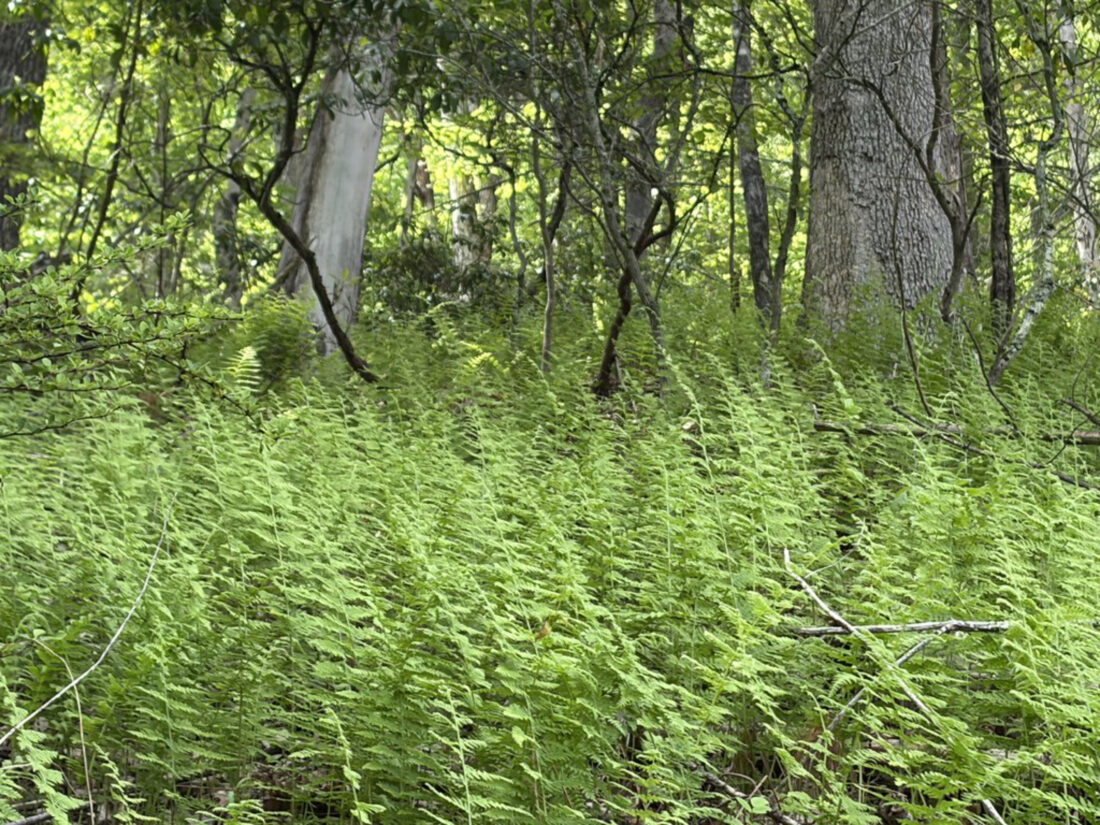
HUNTER SMITH/THE EXPRESS A view of the forest along the Panther Run Trail at Little Pine State Park.
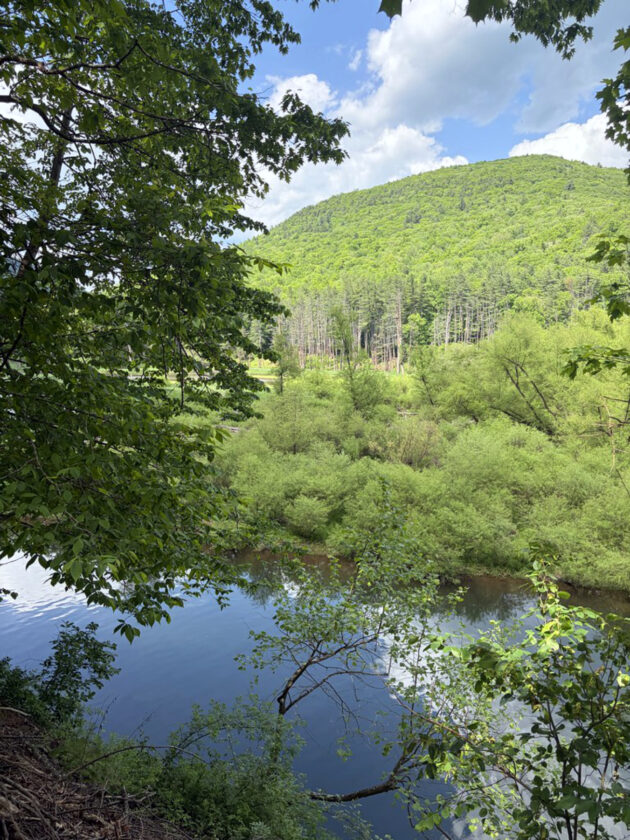
HUNTER SMITH/THE EXPRESS The view from the Little Pine State Park Eagle Watch.
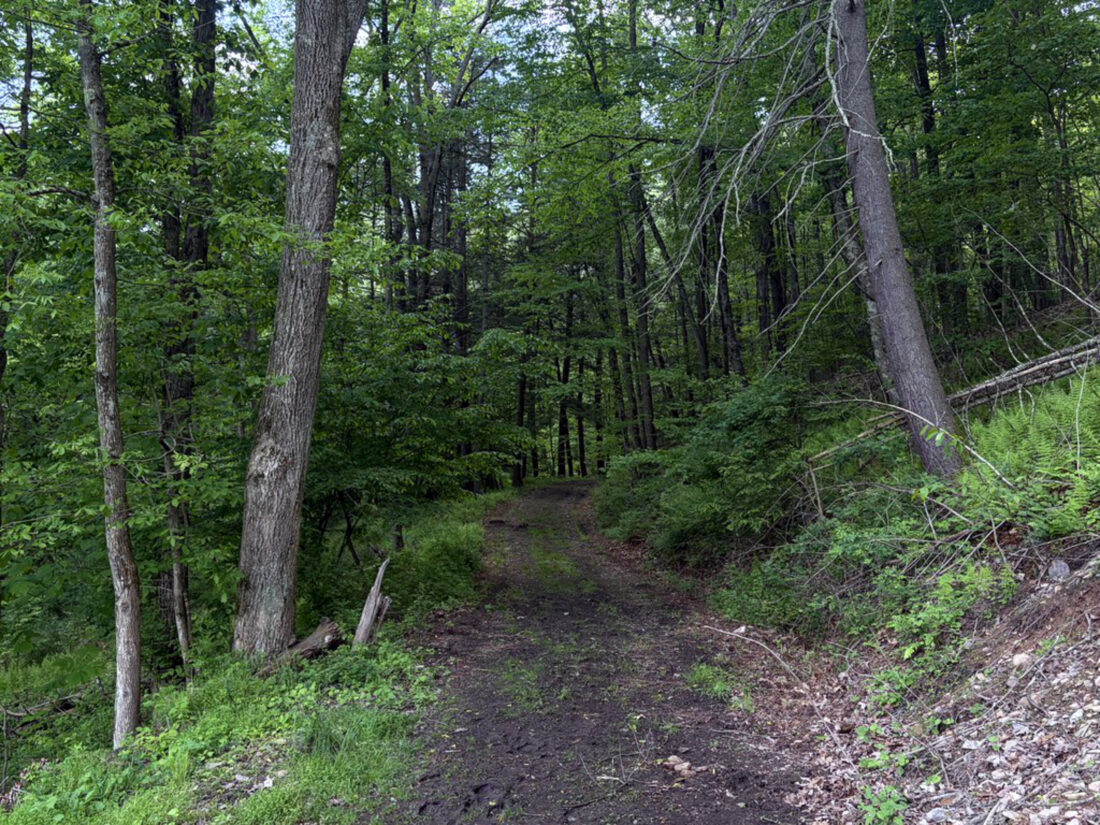
HUNTER SMITH/THE EXPRESS The trailhead of Panther Run Trail on Wednesday, May 27.
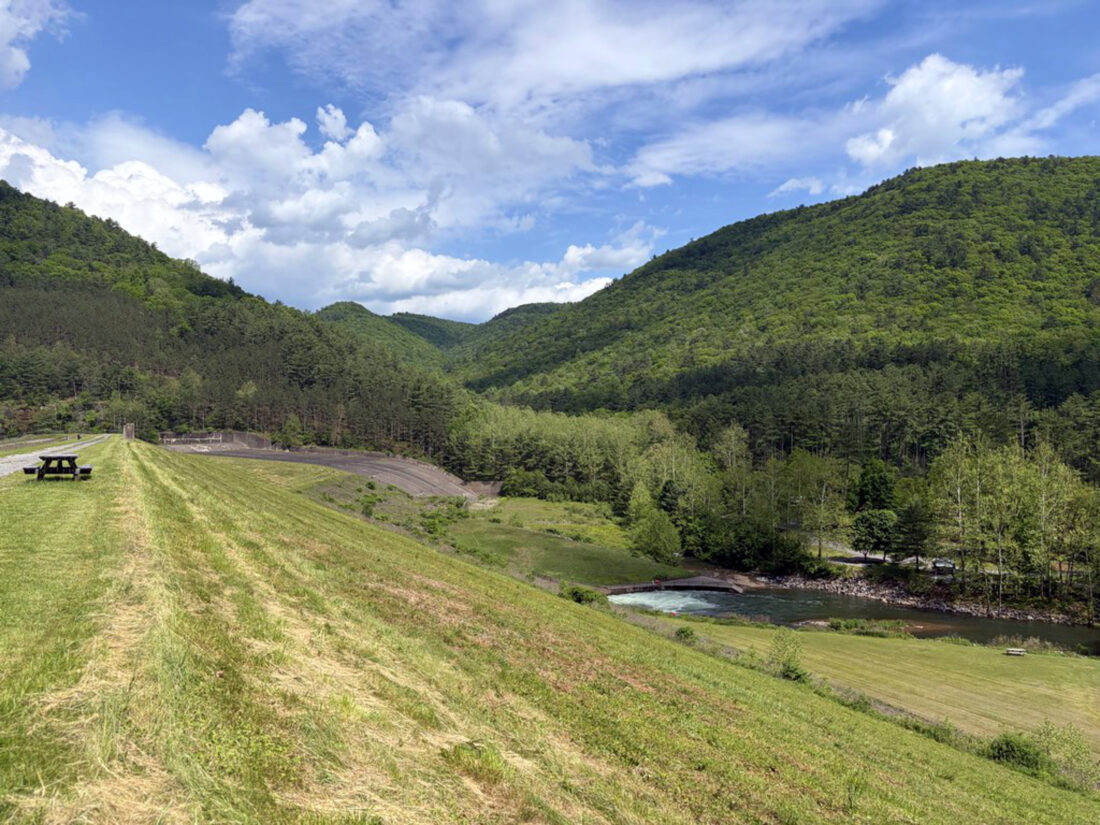
HUNTER SMITH/THE EXPRESS A view from atop Little Pine Dam.
HUNTER SMITH/THE EXPRESS The 45-acre Little Pine Lake, a popular destination for swimmers, boaters and fisherman on Wednesday, May 27. At the far right is Little Pine Dam, which in the 1950s created the artificial lake by impounding Little Pine Creek.
HUNTER SMITH/THE EXPRESS A view of the forest along the Panther Run Trail at Little Pine State Park.
HUNTER SMITH/THE EXPRESS The view from the Little Pine State Park Eagle Watch.
HUNTER SMITH/THE EXPRESS The trailhead of Panther Run Trail on Wednesday, May 27.
HUNTER SMITH/THE EXPRESS A view from atop Little Pine Dam.
Trending
WATERVILLE -- In the mountains of the Tiadaghton State Forest, where Little Pine Creek cuts through a quiet stretch of Lycoming County, Little Pine State Park offers a quintessential Pennsylvania outdoor experience.
The park's 2,158 acres lie within the deep valleys of the Appalachian Plateau, where Little Pine Creek has been dammed to form a 45-acre lake at the center of the park. Forested hills surround the water, with trails and campsites spread throughout the surrounding terrain, making the park a year-round destination for boating, hiking and camping.
A few miles off the Pine Creek Rail Trail and near the quaint community of Waterville, Little Pine is a popular destination for both locals and visitors exploring Pennsylvania's northern wilderness.
THE HISTORY
Long before the first European settlers reached Little Pine Valley, the Iroquoian and Algonquian nations used the area as hunting grounds. About four miles upstream from today's park access area, near the present-day village of Carsontown, a Shawnee village and cemetery are believed to have once stood.
The first white settlers arrived in what is now Cummings Township after the Revolutionary War in 1782. Among the earliest were the Scotch-Irish brothers John and James English, who saw tremendous opportunity in the valley's towering white pine forests. By the early 1800s, the brothers had established two sawmills along Little Pine Creek, and the village of English Mills grew around their lumber operation.
At the time, Pennsylvania's lumber industry was booming, and Little Pine Creek became a highway for timber headed downstream to Williamsport, which was then known as "The Lumber Capital of the World." Logs and sawn lumber harvested deep in Pennsylvania's wilds were floated downstream to supply the city's many mills and meet demand for construction and charcoal.
Moving and controlling those massive log drives on the Susquehanna River proved difficult until the construction of Williamsport's famous "log boom" in 1846. The boom -- a long chain of floating logs stretched diagonally across the river -- eventually extended nearly six miles from Williamsport to Linden and supplied timber to more than 30 mills.
But the era of the great log drives did not last forever. In 1909, the final log raft floated down Little Pine Creek. By then, much of Pennsylvania's once-vast old-growth forest had been stripped away, leaving barren hillsides in its wake.
A new chapter for the valley began during the Great Depression. In 1933, the Civilian Conservation Corps established a camp and picnic area in the valley while helping restore Pennsylvania's forests and provide work for struggling families. When the camp closed in 1937, the property was transferred to the Bureau of State Parks, and many CCC structures were repurposed for park use.
Little Pine continued evolving in the decades that followed. A dual-purpose flood control and recreation dam completed in 1950 created the lake that now defines the park, and by 1958 the area had expanded to include a campground, beach and swimming area.
After Hurricane Agnes devastated the region in the 1970s, federal disaster aid funded major rebuilding projects, including a new beach house, office, maintenance area and modern campground. The park's most recent major upgrades came in 2002 through Pennsylvania's "Growing Greener" initiative, which expanded the park office and added campground showers.
ACTIVITIES
Boating
Easily reached from the park's main access area, the 45-acre Little Pine Lake is popular for both powered boats and paddlecraft.
During the summer, a boat rental concession runs on weekends from Memorial Day to Labor Day, offering paddleboats, canoes and rowboats. The rentals are particularly convenient as they allow visitors to get on the water without hauling boats up the winding mountain roads leading into the park. For those bringing their own boat, the lake features one boat launch and 25 seasonal mooring spaces available from April 1 through Nov. 1.
All boats must be registered or carry a launch permit under Pennsylvania Fish and Boat Commission regulations. More information is available at www.pa.gov/little-pine-state-park.
Boaters are warned that siltation has caused shallow water at the boat launch and around the lake. Boaters are asked to use caution while on the water to avoid becoming beached.
Fishing
With more than seven miles of shoreline stocked by both warmwater and coldwater fisheries, Little Pine's waters offer diverse opportunities for fly, bank and boat fishing.
Anglers commonly catch brook, rainbow and brown trout, as well as smallmouth bass, pickerel, sunfish, catfish and perch in Little Pine Lake and Little Pine Creek.
The use of artificial lures only is required throughout the park, a rule that also applies beyond the northeast boundary to the lake's inflow.
While fishing is popular throughout the summer, anglers can also try their luck during ice fishing season for stocked trout. However, ice thickness is not monitored, and visitors are advised to use appropriate caution.
Hiking
One of the most popular activities at Little Pine is hiking the park's 10.77 miles of trails. TThe park's six trails range from easy to expert, offering options for both casual visitors and experienced hikers.
Trails vary from short half-mile stretches to routes up to 5.5 miles, taking shape as loops, connectors, and out-and-back paths that move through forested hillsides and along the lake.
While most trails are reserved for hiking, a few take on different uses depending on the season. The Buttonball Trail is commonly used for snowshoeing and cross-country skiing in winter, while the Lakeshore Trail also accommodates mountain biking and skiing. The Mid State Trail, which passes directly through the park, links into a larger regional system and is used by backpackers traveling longer distances.
Before putting on your boots, visit www.pa.gov/little-pine-state-park/hiking to see which is the best fit for you.
Hunting and Shooting
During established seasons, about 1,700 acres of Little Pine State Park and the adjacent Tiadaghton State Forest are open to hunting, trapping and hunting dog training.
Common game species include deer, squirrel, fox, bear, grouse and turkey. Hunting woodchucks (groundhogs), however, is prohibited.
The park also features a six-acre rifle and pistol shooting range located at the north end of the park. A range permit is required and must be obtained in person at the park office during regular business hours.
Permits cost $30 for Pennsylvania residents and $36 for non-residents, with family options available for both. Details, including hours, rules and safety guidelines, are available at www.pa.gov/services/dcnr/apply-for-a-little-pine-state-park-target-shooting-range-permit.
Picknicking
Little Pine has four picnic areas that come equipped with pavilions, tables, grills and charcoal disposal, non-flush toilets, parking and recreational equipment, including a volley court and play equipment.
Picnic pavilions may be reserved up to 11 months in advance online for a fee, while unreserved picnic pavilions are free on a first-come, first-served basis.
Of note, the Lower Picnic Area is about one-half mile south of the campground, completely separated from the rest of the park.
Trash disposal is limited.
Camping
If you're looking to stay out under the stars, Little Pine offers tent camping, yurts and cottages from the first weekend in April through mid-December.
The campground includes 88 sites, 83 of which can accommodate trailer units up to 20 feet in length, while five are designated for tents only. Sites range from open to shaded, and some sit along Little Pine Creek. Each site includes a picnic table and fire ring, and pets are permitted at designated locations.
The campground is equipped with a sanitary dump station, showers, flushing toilets and water outlets. Garbage and recycling receptacles, trailer storage and a second vehicle parking area are located at the campground entrance.
Alcoholic beverages and unlicensed motor vehicles are prohibited.
Swimming
A sand beach with grass turf is typically open from late May to mid-September, from 8 a.m. to sunset. Sadly, due to damage incurred from Tropical Storm Debby in August of 2024, the park beach will not reopen for the 2026 season. A project to complete dredging at Little Pine Lake is currently moving forward and the future of the waterfront will be determined after the project is complete.
Wildlife
Set in a relatively remote stretch of Pennsylvania, Little Pine State Park provides year-round opportunities to observe wildlife. Along the lake, visitors may see raccoons and mink, while deer and foxes are often found in open fields and bear and wild turkeys roam the forested hills.Bald eagles have nested in the park since 2004, with a designated viewing area that allows for close observation of adults and eaglets without disturbing them.
In warmer months, songbirds are abundant throughout the park, and herons and river otters are commonly seen around the water. Fall brings seasonal migration, including loons, snow geese and a range of raptors passing through the region.
The park's ecosystems reflect the influence of Little Pine Creek and the mid-20th-century dam, which created a mix of coldwater and warmwater habitats supporting muskrat, turtles, sunfish, pickerel and catfish. The lake's shallow upper reaches are key feeding and breeding areas.
Geologically, the park lies in Pennsylvania's Appalachian High Plateaus, with bedrock about 300 million years old. Glacial activity roughly 150,000 years ago helped shape the valley and surrounding landscape. Fossils of ancient marine life and plants are found in nearby rock, though collecting them is prohibited.
Learn More
To learn more about Little Pine State Park, visit www.pa.gov/little-pine-state-park. The site includes reservations, detailed information about park hours and amenities, as well as maps, guides and important visitor notices.
The park can be reached by entering 4205 Little Pine Creek Road, Waterville, Pa., into your GPS. For more information, call 570-753-6000 or email littlepinesp@pa.gov.