
Area resident finds community within UPMC Cardiac Rehabilitation
Trending
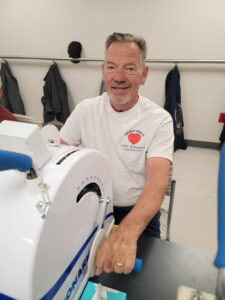
WILLIAMSPORT -- When Loyalsock Township resident Gary Schaefer mentioned mild chest discomfort at a routine doctor's appointment in late September 2025, he didn't expect the conversation to turn into a stress test at UPMC Williamsport, an emergency evaluation, and, a next-day stent procedure to treat a 90% blockage.
Schaefer said he nearly kept the symptoms to himself, but a friend's story about someone who ignored warning signs persuaded him to speak up before leaving the office. "It wasn't a main priority," he said. "But I didn't want to wonder later if I had a chance to address something and didn't."
After discharge, his care team mentioned for him to enroll in UPMC Cardiac Rehabilitation, an outpatient program that combines monitored exercise with education and coaching for people recovering from heart-related events and procedures.
"Getting started was really easy," Schaefer said. "The staff sat down with me, asked about my health history and goals, and built me a personalized exercise plan."
The rehab gym at UPMC Williamsport serves adults across a wide range of ages and backgrounds, including patients recovering after heart attacks and strokes, bypass surgery, valve procedures, cardiomyopathy, and other cardiac conditions.*
The space itself has grown with the community's support. The gym recently expanded, roughly doubling in size, through donations to Susquehanna Health Foundation, with $1 million raised to preserve and improve the facility.
Seven months later, Schaefer still visits the facility through its maintenance program after completing the standard 12-week monitored phase.
On a recent morning there, music from artists such as Steely Dan and Tom Petty played as participants rotated between treadmills, bikes, and weights. Staff and patients greeted one another by name, swapping updates between sets with plenty of laughter mixed in.
Staff and participants say the routine goes beyond hitting exercise targets. Many people continue beyond the monitored phase for the structure and the relationships formed during recovery.
"They've all been through something similar," said Jaime Kelley, exercise physiologist, UPMC Cardiac Rehabilitation in Williamsport. "There's definitely a sense of camaraderie. Some even meet up for breakfast together after their sessions."
Kelley works with an outpatient team of nurses and exercise staff who monitor patients' progress and check in on how they're feeling -- conversations that often range from blood pressure and endurance to grandkids, hobbies, and weekend plans.
Schaefer said the accountability made a difference. When he missed a week to visit family in Florida, others noticed. He returned proud that he had exercised daily while away and maintained his weight.
With Kelley's encouragement, he also added weight training to his exercise routine, losing about 20 pounds since he started the program.
Outside the gym, Schaefer stays active in the community through the Williamsport Community Woodshop at the Pajama Factory. As a thank-you, he crafted a flower planter for the rehab team and, when he completed the monitored phase, brought staff handmade cutting boards.
For Schaefer, the experience came with a simple lesson: don't downplay what your body is telling you.
He encourages others to mention symptoms to their care teams, even if they seem slight. And he's learned to treat the routine question at the end of an appointment "Is there anything else bothering you?" as a real opportunity to speak up. To learn more about UPMC Cardiac Rehabilitation, visit UPMC.com/CardiacRehab.
Participation in cardiac rehabilitation is strictly limited to those who have been medically referred by their physician; patients should consult their doctor to determine if this program is right for them.