
Trees, lawns and rain
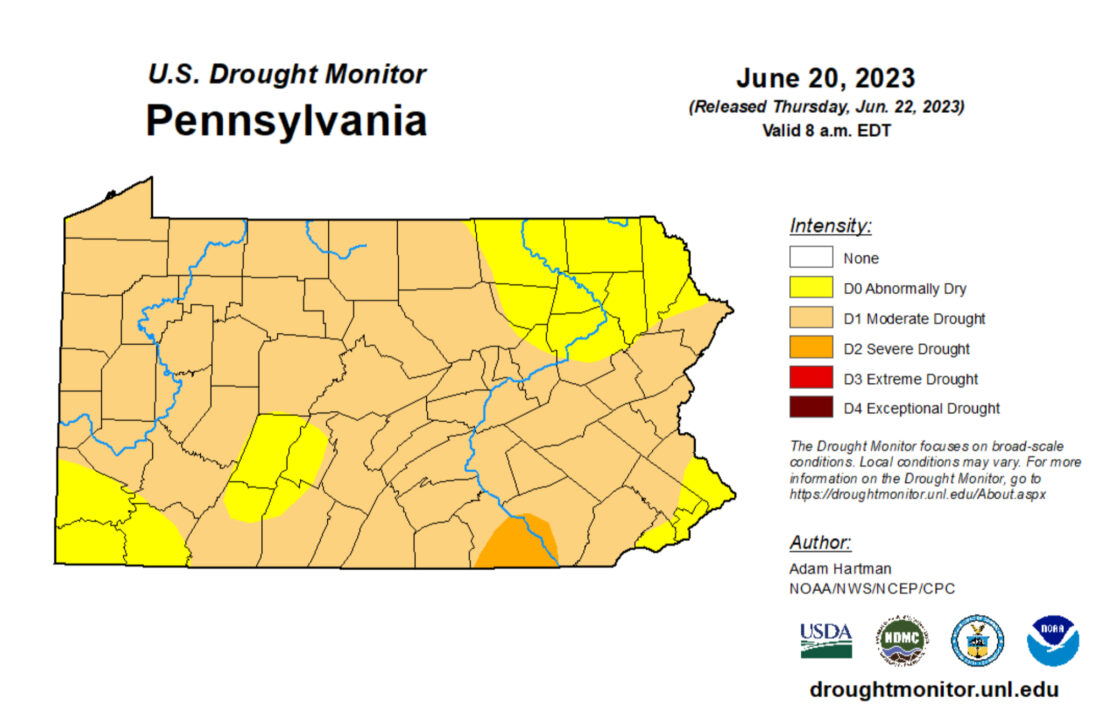
PHOTO BY NOAA/USDA Much of the state, including central Pennsylvania is experiencing dry conditions.
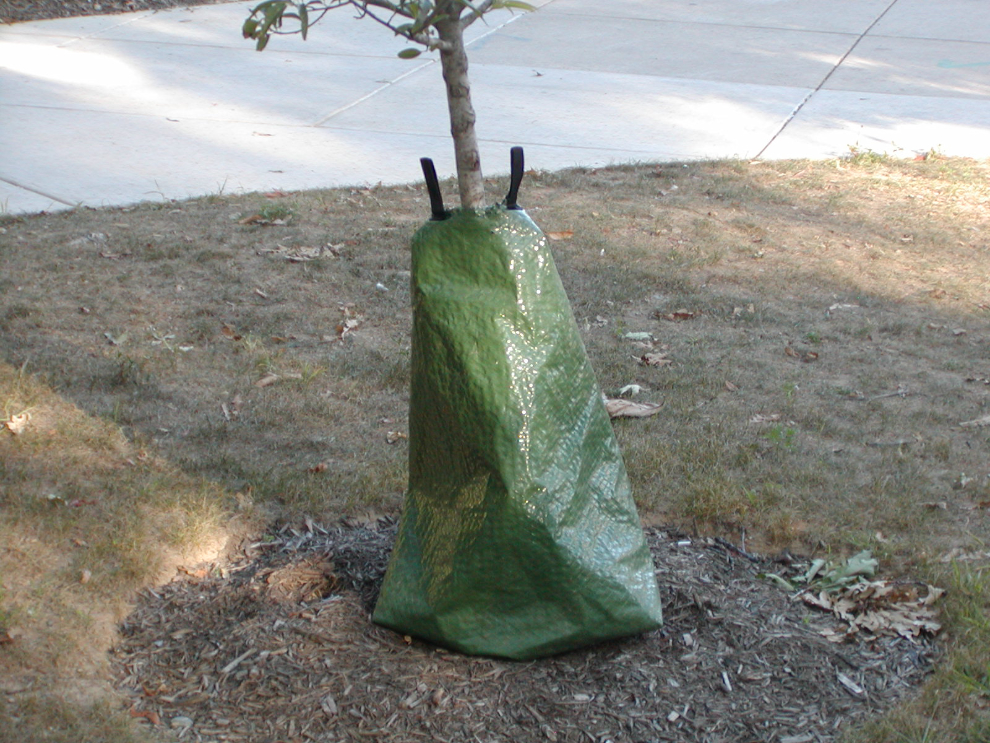
PHOTO PROVIDED Watering bags are great for newly planted trees as they provide water over long periods of time and only need to be refilled every several days. Notice the grass around the tree site. It has browned because of the very dry conditions.
PHOTO BY NOAA/USDA Much of the state, including central Pennsylvania is experiencing dry conditions.
PHOTO PROVIDED Watering bags are great for newly planted trees as they provide water over long periods of time and only need to be refilled every several days. Notice the grass around the tree site. It has browned because of the very dry conditions.
Trending
The past several weeks have been very dry and placed most of Pennsylvania into moderate drought status by the National Drought Mitigation Center. The next few days are expected to bring some rain that might temporarily ease the issue but threats remain on the horizon. The National Weather Service forecasts for July through September show that Pennsylvania is expected to have at least a 60% chance of observing above average temperatures. And this really depends on El Nino's development (a climate pattern in the Pacific Ocean) over the next several weeks. What does this mean for our ornamental landscapes?
Early summer is still a great time period to plant trees and shrubs. Newly purchased plants usually come with some literature or directions on when and how to water in order to not only survive but thrive in the coming months. While watering during the early establishment period is important, don't forget to keep on watering throughout the dog days of summer. Dog days are typically the warmest months of the year and in Pennsylvania are the upcoming months of July and August.
A large mature tree will lose tens of gallons of water per day during the heat of a summer (one study showed that a 35-foot tree with a large canopy can lose up to 35 gallons of water a day during summer months). While a newly planted tree does not have the canopy size compared to a large tree, it also does not have the established root system in place like a mature tree. Water those newly planted woody ornamentals well into the fall months.
Should you water your lawn these warm summer months? First, it is important to remember that almost all lawns in our region are comprised of cool season grasses. That is, during the spring/early summer and fall months they are actively growing. Growth ceases or slows down considerably in hot, dry conditions. While many plants will wilt and die in drought like conditions, grasses go dormant and wait for better conditions to continue growing. During this dormant period, the grass turns brown and appears dead but the plant is still alive at the growing point in the crown. Hopefully, some timely rainfall occurs these next few months as turf needs about 1/3 inch of water per three weeks to keep brown, dormant grass alive. Keeping grass green during hot summers is an even tougher challenge. For warm temperatures under 85 degrees, it is suggested that one inch of water be added per week (that comes out to 27,000 gallons per acre). Once those daytime temperatures jump over 85 degrees and start heading into the 90 degree range, then 2 inches of water needs to be added every week (that is over 54,000 gallons!) to keep it lush and green. Once you start watering, you really shouldn't stop as it can stress grass going between these two extremes (dormant to lush green) during a hot summer and lead to disease and insect problems.
-- -- -- --
Tom Butzler is a horticulture educator with the Pennsylvania State University Cooperative Extension Service and may be reached at 570-726-0022.